China Top 10 Reasons Why Pretend Play Toys Matter for Kids

Time:2026-06-18 Author:Isabella
0%

Pretend play is a vital part of childhood development. Dr. Ellen Fridman, a child psychologist specializing in play, emphasizes, “Pretend play toys enrich a child's imagination and problem-solving skills.” This quote captures the essence of why are pretend play toys important for children. Through imaginative play, children explore different roles and scenarios, which helps them understand the world around them.

When children engage with pretend play toys, they learn to communicate and express their emotions. They dive into new characters and situations, often mirroring real-life experiences. This interaction fosters social skills and empathy. Furthermore, pretend play encourages creative thinking, as children create stories and solutions.

However, not all toys are suitable for pretend play. Some toys may limit a child's creativity. It's essential for parents to choose versatile toys that promote open-ended play. Inadequate choices can hinder a child's development. As parents, it's important to reflect on the types of toys provided. An ideal selection can make a significant impact on a child's growth.
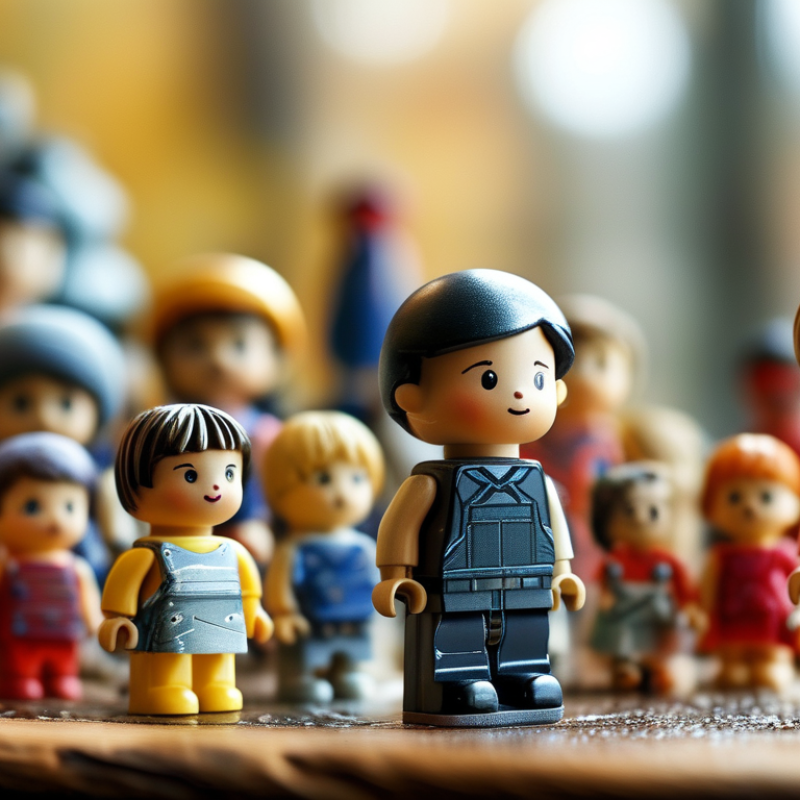
China Top 10 Reasons Why Pretend Play Toys Matter for Kids

The Importance of Pretend Play Toys in Child Development

Pretend play toys hold significant value in child development. These toys allow children to explore their imagination and creativity while mimicking real-life scenarios. Through role-playing, kids express their thoughts and emotions. They build social skills by interacting with peers. For example, when children play house or doctor, they learn to communicate better.

Research shows that pretend play enhances problem-solving abilities and cognitive skills. Children face challenges in their narratives, which encourages critical thinking. Using a toy kitchen, they might experiment with meal preparation. This can lead to discussions about healthy eating or food preferences. However, some children might feel pressured to perform; this can stifle their creativity instead of fostering it.

Moreover, pretend play helps in emotional development. Kids learn to manage feelings by stepping into different roles. They might experience joy, sadness, or frustration during play. It's essential for adults to guide this process without imposing strict rules. Allowing some freedom can pave the way for learning experiences. Not every role-play moment will achieve its intended goal, leading to valuable lessons in resilience and self-reflection.

Enhancing Creativity and Imagination Through Role-Playing

Pretend play toys play a vital role in enhancing children's creativity and imagination. According to a study published by the American Academy of Pediatrics, imaginative play helps develop cognitive skills. When children engage in role-playing, they not only mimic real-world scenarios but also create their own narratives. This form of play encourages critical thinking and problem-solving abilities, which are essential for healthy development.

Research from the National Association for the Education of Young Children indicates that children who engage in pretend play show improved language skills. They learn to express their thoughts and emotions through storytelling. For instance, a child dressed as a firefighter might narrate a rescue mission, fostering both creativity and communication. These skills become crucial as they transition into formal education settings.

However, not all children have equal access to pretend play opportunities. Socioeconomic factors can impede some children's ability to engage in such enriching experiences. It raises questions about equity in childhood development. Ensuring that all children can experience the benefits of pretend play is essential for building a creative and inclusive future.

Building Social Skills and Emotional Intelligence with Pretend Play

Pretend play toys are crucial for developing children's social skills and emotional intelligence. When children engage in pretend play, they navigate different roles and scenarios. This imaginative play allows them to express their feelings and understand others' perspectives. For instance, a child pretending to be a teacher learns to communicate clearly and empathize with "students." Such interactions lay a foundation for collaboration and negotiation in real life.

Moreover, pretend play fosters creativity. Kids invent stories, characters, and rules, encouraging original thinking. However, not every child feels comfortable in social situations. Some may struggle with taking turns or sharing. They require gentle guidance to navigate these challenges. Parents and caregivers can use these moments as teaching opportunities. Discussing feelings during play can enhance their emotional vocabulary, helping them articulate emotions more effectively.

While many children thrive in pretend play, others may prefer solitary activities. This preference doesn't negate the importance of play. Even alone, a child can engage in rich, imaginative scenarios. Encouraging a balance between social and solitary playtime can promote well-rounded development. Addressing each child's unique needs remains crucial to fostering their emotional and social growth.

Fostering Cognitive Development via Interactive Play Experiences

Pretend play toys play a crucial role in the cognitive development of children. Interactive play experiences engage young minds and foster creativity. According to a report by the American Academy of Pediatrics, pretend play supports a child's ability to think abstractly and develop problem-solving skills. These activities enhance language development and social skills, as children negotiate roles and scenarios.

During pretend play, children explore various emotions. This can lead to better emotional intelligence and empathy. Research shows that children who engage in dramatic play tend to excel academically later on. An article published in the journal "Developmental Psychology" indicates that playtime can improve memory retention and critical thinking.

Tips for parents: Provide a variety of pretend play toys. Consider items that reflect real-world occupations, like doctor kits or kitchen sets. Allow your child to lead the play. This autonomy fosters confidence and decision-making. Encourage storytelling. Ask open-ended questions to stimulate imagination. For instance, "What happens next in your play story?" Reflecting on your child's choices can also enhance their cognitive flexibility and creativity.

Encouraging Problem-Solving and Critical Thinking Skills in Children

Pretend play toys enrich children's development by nurturing essential problem-solving and critical thinking skills. Research shows that imaginative play enhances cognitive abilities. A study by the American Academy of Pediatrics highlights that children engaged in pretend play develop stronger executive functions. This includes planning, mental flexibility, and self-control. All of these abilities contribute to effective problem-solving in real-life situations.

When children use pretend play toys, they create scenarios and solve problems within their narratives. For example, a child may use a toy kitchen to prepare a meal. They would think critically about recipes, cooking times, and how to use utensils properly. Such scenarios promote analytical thinking. But not all children readily engage with pretend play. Some may feel unsure about how to start or what roles to take.

Interventions can encourage participation. Providing a variety of toys can inspire different kinds of play. Research indicates that children who have access to diverse pretend play options are more likely to engage critically with their surroundings. They learn to negotiate, collaborate, and share ideas. In these moments, they experience the rich complexities of social interactions, leading to a deeper understanding of their environment.

Top 10 Reasons Why Pretend Play Toys Matter for Kids

This chart illustrates the importance of pretend play toys in fostering essential skills in children, including problem-solving and critical thinking. The data reflects various benefits associated with these toys, showcasing their impact on children's development.

FAQS

: How does pretend play enhance creativity and imagination in children?

: Pretend play allows kids to create their own stories. This engages their imagination and fosters critical thinking skills.

What are the cognitive benefits of role-playing for children?

Role-playing improves abstract thinking. It also enhances problem-solving abilities and boosts language development in kids.

How does pretend play help with social skills?

Children learn to navigate different roles. They express feelings and understand perspectives, facilitating better communication.

Are all children able to engage in pretend play equally?

No, socioeconomic factors can limit access to pretend play opportunities. This raises concerns about equity in development.

What should parents do if their child struggles with social play?

Gentle guidance is key. Use playtime to discuss feelings and teach sharing or taking turns when needed.

Can solitary play be beneficial for children?

Yes, solitary play fosters imagination. Even alone, children can engage in rich pretend scenarios that aid development.

How can parents encourage cognitive development during play?

Provide diverse pretend play toys. Allow children to lead the play and stimulate imagination with open-ended questions.

What are common challenges children face during pretend play?

Some kids may feel uncomfortable in social situations. Others may struggle with sharing or taking turns, needing support.

Why is it important to address each child's unique play needs?

Each child grows differently. Balancing social and solitary play can promote overall emotional and social growth effectively.

How can storytelling enhance a child's play experience?

Storytelling nurtures imagination. Asking questions about their stories encourages creative thinking and deepens their understanding.

Conclusion

Pretend play toys are crucial for children's development, as they provide valuable experiences that promote creativity and imagination. Engaging in role-playing activities allows children to explore different scenarios, enhancing their ability to think creatively and express their ideas. Additionally, these toys facilitate the development of social skills and emotional intelligence, as children learn to collaborate, empathize, and communicate effectively with peers.

Moreover, pretend play fosters cognitive development through interactive experiences that challenge children to think critically and solve problems. By navigating various roles and situations, children enhance their decision-making abilities and build resilience. In summary, the question of "why are pretend play toys important for children" can be answered by recognizing the multifaceted benefits they offer, making them an essential part of childhood experiences that contribute to overall growth and learning.

Isabella

Isabella

Isabella is a dedicated marketing professional with a sharp focus on driving brand growth and engagement through strategic content creation. With an extensive background in digital marketing, she combines her passion for storytelling with her keen understanding of industry trends to deliver......