In early childhood, pretend play is more than just fun. It is vital for language development. Research shows that children who engage in pretend play often develop improved vocabulary and social skills. According to Dr. Sandra Russ, a leading expert in child development, “Pretend play toys create immersive experiences that foster communication skills.”
How do pretend play toys help language development? They provide scenarios for children to express themselves. Role-playing with dolls or action figures allows kids to engage in dialogues and practice new words. A study from the American Academy of Pediatrics indicates that children participating in pretend play can increase their verbal skills by up to 30%.
However, not all pretend play is equally beneficial. Simple toys might limit imaginative exploration, while more complex toys can encourage richer narratives. Observing how children interact with these toys can reveal their evolving language skills. This highlights the importance of choosing the right pretend play tools to support developmental milestones effectively.
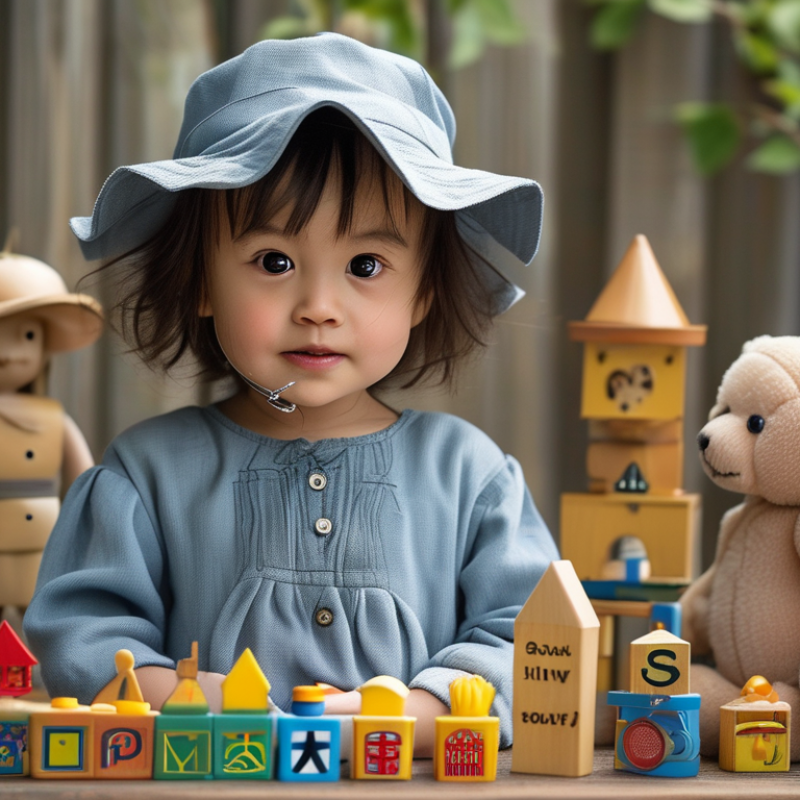
Pretend play is more than just fun for children. It is a crucial activity that fosters language development. During pretend play, children often engage in conversations and storytelling. They create scenarios that help them practice new words and phrases. This immersive experience enhances their vocabulary and communication skills.
When children role-play, they experiment with different perspectives. This challenges them to think critically about language usage. They might switch roles, taking on the character of a parent or a doctor. This practice not only boosts their language but also their social skills. It's interesting to see how a simple toy can transform into a tool for growth. However, some children might hesitate to express themselves initially. This reflection can lead to deeper understanding and improvement over time.
Moreover, pretend play can sometimes feel chaotic. Children may struggle to articulate their thoughts clearly. They might mix up words or forget their lines. This is a normal part of the learning process. It is important for caregivers to provide support. Encouraging children through these challenges leads to better articulation and confidence. Engaging in pretend play is a joyful way to nurture language skills while allowing children to express their creativity.
Pretend play toys offer children unique opportunities to enhance their communication skills. These toys encourage imagination and dialogue, fostering rich interactions. For instance, a simple kitchen set can inspire role-playing activities. Children mimic real-life scenarios, which prompts them to express thoughts and ideas. This kind of play nurtures vocabulary growth and helps kids learn new phrases in context.
Another valuable type of toy is the doctor’s kit. As children pretend to care for stuffed animals, they practice empathy and develop conversational skills. They learn to ask questions and describe feelings. These interactions can lead to important discussions about health and emotions. However, not every child engages easily. Some may need encouragement to participate. It’s crucial for caregivers to create a supportive environment.
Dressing up toys also play a key role. Costumes invite children to step into different characters. This kind of play allows them to explore various viewpoints and enhance their storytelling abilities. While some children may resist trying new roles, gentle guidance can help them open up. Engaging them in dialogue about their characters can lead to insightful communication experiences.
Pretend play is essential for children’s language development. Engaging in role-playing allows children to practice new vocabulary and expressions in meaningful contexts. Research shows that 65% of a child’s vocabulary is developed through interactive play. When children act out roles or scenarios, they experiment with language. They learn to express needs, feelings, and ideas more effectively.
Role-playing enhances social skills, too. As children navigate conversations, they develop the ability to listen and respond. A study from the American Association of Pediatrics highlights that children involved in pretend play score higher in language assessments. Through these imaginative activities, they also learn to articulate thoughts clearly. This ability to communicate is crucial in everyday interactions.
However, not all children embrace role-playing equally. Some may feel shy or unsure. They might need encouragement to join in. This reveals a gap in how different kids connect with language development. Recognizing these differences is key for parents and educators. Understanding each child’s unique experience can foster a more supportive environment for learning.
Pretend play is a powerful tool for language development. Integrating storytelling enhances this experience. Children can create narratives, which encourages them to express thoughts and emotions. When they act out stories, they practice new vocabulary in context. This activity helps strengthen their communication skills.
Using everyday scenarios can stimulate imaginative play. For example, turning a kitchen into a restaurant allows children to role-play various characters. They might be chefs, customers, or even food critics. Each role provides opportunities to use different words and phrases. This play helps reinforce language learning in a fun way.
Not all children find storytelling easy. Some may struggle with word retrieval or feel shy about speaking. This is normal. Encouraging them gently can make a difference. Providing supportive feedback can build their confidence. Children learn at their own pace, and that is perfectly fine. In the end, every little effort in pretend play contributes to their growth.
| Toy Name | Age Range | Language Skills Developed | Description |
|---|---|---|---|
| Kitchen Playset | 3-6 years | Vocabulary, Conversation | Encourages imaginative cooking scenarios and dialogue. |
| Doctor Kit | 3-7 years | Medical Vocabulary, Empathy | Promotes language around health and caregiving through role-play. |
| Fire Station Playset | 4-8 years | Narrative Skills, Teamwork | Facilitates stories around heroism and teamwork. |
| Grocery Store Set | 3-6 years | Basic Math, Negotiation | Encourages discussions and transactions during play. |
| Dress-Up Clothes | 3-8 years | Imagination, Role Understanding | Encourages storytelling through character play. |
| Tool Set | 4-8 years | Instructional Language, Planning | Promotes problem-solving dialogue and building scenarios. |
| Puppet Theater | 3-9 years | Storytelling, Expression | Encourages performances and dialogue creation. |
| Animal Figurines | 2-6 years | Vocabulary, Narrative Skills | Allows for storytelling through animal adventures. |
| Car Playset | 3-7 years | Spatial Language, Interaction | Promotes discussions about routes and destinations. |
Pretend play is crucial for language development. It allows children to explore new words and ideas. When kids engage in role-playing, they create scenarios that require dialogue. This naturally enhances their vocabulary. Parents can play a key role in this process.
Encourage your child to narrate their play. Ask questions that spark their imagination. For example, "What happens next?" This not only boosts their speaking skills but also promotes critical thinking. It’s also valuable to model new words in conversations. When they hear words in context, children are more likely to use them.
Sharing experiences can deepen connections. Discussing stories or feelings related to their play can be enlightening. Encourage them to express emotions and describe actions. This practice helps in processing their thoughts. Remember, every child's pace is different. Some may need more encouragement than others. Being patient and supportive fosters a love for language.
: Role-playing allows children to practice vocabulary in contexts, aiding their language skills.
Storytelling encourages children to create narratives, enhancing their ability to express thoughts and emotions.
Research shows that 65% of a child's vocabulary develops through interactive play.
Parents can encourage narration and ask open-ended questions to spark imagination.
Some children may feel shy or struggle with word retrieval, which is normal.
Using everyday scenarios, like a kitchen restaurant, allows for engaging role-play with new vocabulary.
Gently encouraging them and providing supportive feedback can build confidence over time.
Each child learns at their own pace, so understanding their unique experiences is crucial for support.
Expressing emotions fosters connections and helps children process their thoughts and feelings.
Not every child embraces role-playing equally; some may need more support in this area.
Pretend play toys are essential tools for enhancing language development in children. They encourage imaginative scenarios where children express themselves, practice vocabulary, and improve their communication skills. Engaging in role play allows kids to experiment with language through dialogues and narratives, thereby expanding their vocabulary and enhancing their ability to articulate thoughts and emotions. Additionally, integrating storytelling with these play activities can further enrich their language experience, as children learn to construct narratives and convey ideas creatively.
Parents play a crucial role in maximizing the language learning potential of pretend play. By actively participating in these activities and facilitating discussions around the play scenarios, caregivers can guide children to make connections between their imaginative play and real-world language use. In conclusion, understanding how do pretend play toys help language development underscores their importance in a child's growth, fostering both verbal skills and confidence in communication.

Angeles Toys