Pretend play is crucial for children's emotional growth. Research shows that these toys help kids understand their feelings. According to a report from the American Academy of Pediatrics, pretend play can enhance empathy and social skills. But how do pretend play toys support emotional development? They allow children to act out scenarios, enabling them to process their emotions and experiences.
Through role-playing, children explore different perspectives. This exploration enhances their ability to recognize and express feelings. A study published in the Journal of Child Psychology noted that children involved in pretend play displayed improved emotional regulation. They learn to navigate social interactions, cultivating resilience.
While pretend play can greatly bolster emotional skills, it is not without challenges. Some children may struggle with imaginary scenarios or feel isolated during play. This can lead to misunderstandings about relationships. It is essential for caregivers to support children during these activities, ensuring they feel safe and understood. By fostering these play experiences, we help shape emotionally intelligent individuals.
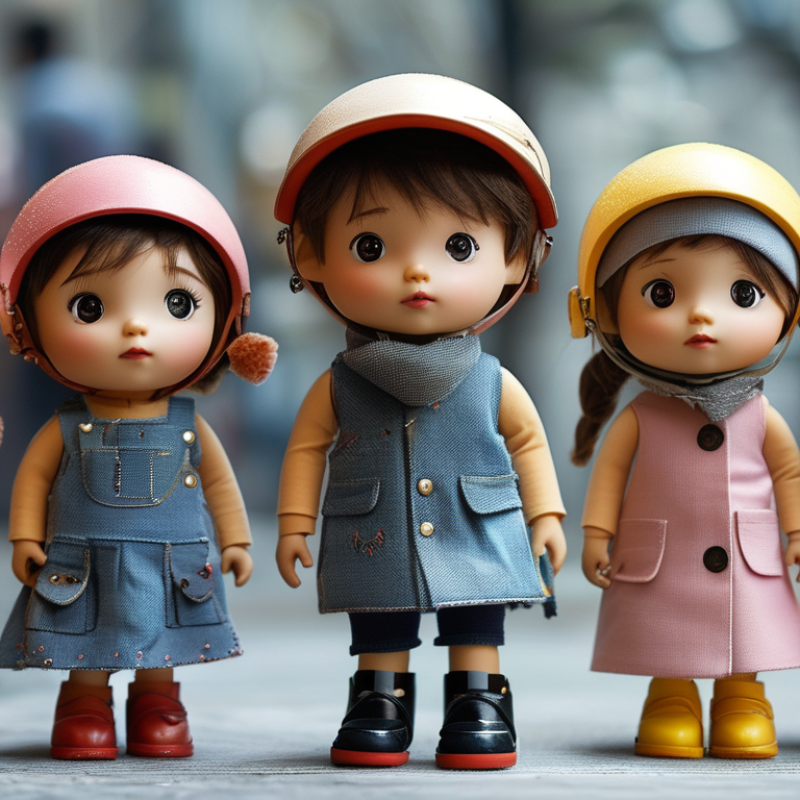
Pretend play is vital for children's emotional development. It allows them to explore their feelings and express their thoughts creatively. When children engage in role-playing, they step into different shoes. This practice nurtures empathy by helping them understand others' perspectives. It’s a playful way to learn about social dynamics and emotional nuances.
During pretend play, children often act out scenarios that mirror real life. They might reenact family situations or imitate community helpers. This process helps them navigate complex emotions. For example, they might feel joy when playing a caregiver or anxiety when pretending to be lost. These experiences teach them how to manage their feelings.
However, not every play scenario is productive. Sometimes, children can become overwhelmed by their roles. It’s essential for caregivers to intervene when play leads to distress. Encouraging open discussions afterward can help children reflect on their feelings. By guiding this reflection process, adults can reinforce the lessons learned through pretend play and foster healthy emotional growth.
This chart illustrates the impact of different pretend play toys on emotional development in children, highlighting key areas such as creativity, empathy, and social skills.
Engaging in pretend play allows children to explore emotions and social situations. When selecting toys, look for those that encourage role-playing. For instance, dolls and action figures inspire children to enact various scenarios, fostering empathy and understanding. Children learn to express feelings as they navigate different roles.
Another key feature is the inclusion of diverse characters and scenarios in toys. Such diversity helps children understand and appreciate differences. This exposure supports emotional intelligence, as kids learn to connect with others. Toy sets that simulate everyday life situations can also guide children in recognizing their own emotions.
Additionally, toys that require teamwork enhance collaboration skills. Games that invite multiple players can prompt discussions about feelings and cooperation. These interactions are essential for developing emotional resilience. Children often reflect on their actions during play, making it a valuable learning process. However, not all children may respond positively. Some may resist sharing or expressing emotions. This reality offers opportunities for parents to guide their children through challenges.
| Toy Name | Key Features | Emotional Development Benefits | Recommended Age |
|---|---|---|---|
| Dollhouse | Encourages role-playing, storytelling | Fosters empathy and social skills | 3+ |
| Play Kitchen | Includes utensils, play food | Promotes teamwork and sharing | 2+ |
| Doctor Kit | Realistic medical tools | Reduces fear of doctors, encourages caring | 3+ |
| Tool Set | Includes various tools | Builds confidence and problem-solving | 3+ |
| Pirate Ship | Interactive playset with figures | Fosters imagination and adventure | 4+ |
| Superhero Costume | Full dress-up suit | Boosts self-esteem and confidence | 3+ |
| Grocery Store Set | Includes cash register and food items | Teaches responsibility and budget skills | 4+ |
| Animal Figurines | Variety of animal models | Encourages compassion and respect for nature | 2+ |
| Puppet Theater | Includes puppets for storytelling | Enhances communication and expression | 5+ |
| Art Supplies Set | Includes crayons, paints, and canvas | Fosters creativity and emotional expression | 3+ |
Pretend play is an essential part of childhood. It allows children to explore their emotions and behaviors. The right toys can enhance this experience, especially those that encourage empathy and social skills. For instance, role-playing sets help children understand different perspectives. They become caregivers, teachers, or even superheroes. This variety promotes a deep understanding of emotions.
Through imaginative play, kids learn to express feelings. A toy kitchen, for example, fosters cooperation. Children take turns cooking, sharing tasks, and negotiating roles. They learn the importance of teamwork. Another excellent option is a puppet theater, where kids act out stories. This activity allows them to explore complex emotions.
However, not all pretend play is straightforward. Some children might struggle with sharing or taking turns. This creates an opportunity for lessons in patience and understanding. It’s common for kids to become frustrated. Reflecting on these moments helps them grow emotionally. Overall, the right toys serve as tools for developing important social skills while navigating the ups and downs of feelings.
Pretend play toys play a crucial role in boosting children's emotional development. These toys allow kids to express feelings and imagination. According to a study published in the American Journal of Play, engaging in pretend play helps children manage emotions. They act out different roles and scenarios, which can lead to greater emotional understanding.
For instance, a child playing with a doctor kit may express concern for an injured toy. This simple act fosters empathy. The child learns to navigate feelings, both theirs and others'. Research shows that children who regularly engage in pretend play demonstrate improved emotional intelligence. They are better at recognizing emotions in themselves and their peers.
Moreover, pretend play encourages creativity. Children invent narratives and characters, which enhances cognitive skills. A child using a kitchen set to prepare food will engage in storytelling. This form of play allows them to explore ideas and emotions. However, not all children may feel comfortable with these toys. Some may struggle with expression. Observing how children interact with these toys can offer insight into their emotional states. Understanding these dynamics is key for parents and educators.
When choosing pretend play toys, age-specific considerations are crucial. Research from the American Academy of Pediatrics highlights that engaging in imaginative play supports emotional development in children. For toddlers aged 1-3, look for toys that encourage basic role-playing. Simple items like dolls or toy kitchens spark creativity and social skills.
As children grow, their play needs change. For preschoolers aged 4-5, more complex toys like doctor kits or fireman costumes become beneficial. These toys allow children to explore real-world roles. According to a study by the International Journal of Play, this type of role play enhances empathy and cooperation.
**Tips for Parents:** Observe what interests your child. Encourage them to express their feelings through play. Avoid heavily marketed toys that may limit creativity. Focus on open-ended options that allow for exploration. Always consider safety and durability as well.
: Pretend play is essential for emotional growth. It helps children express feelings and explore thoughts creatively.
Role-playing allows children to step into others' shoes. They learn to understand different perspectives and emotions.
Yes, children can feel overwhelmed in certain roles. Caregivers should be ready to intervene when distress occurs.
Toys that encourage role-playing, like dolls and action figures, are beneficial. They help children navigate emotions through play.
Exposure to diverse characters helps kids appreciate differences. It enhances their emotional intelligence and connection with others.
Simple toys like dolls and toy kitchens are ideal. They spark creativity and support basic social skills.
More complex toys, such as doctor kits or costumes, are helpful. They allow exploration of real-world roles and enhance empathy.
Parents should observe their child's interests. Encouraging feelings in play helps develop emotional skills effectively.
Not all children respond positively; some resist sharing. This can provide teaching moments for parents.
Heavily marketed toys can limit creativity. Focus on open-ended options that inspire exploration and imagination.
Pretend play is a crucial aspect of childhood development, significantly impacting emotional growth by allowing children to explore their feelings and practice social interactions. The article delves into how do pretend play toys support emotional development by fostering empathy and enhancing social skills. Key features of such toys include opportunities for role-playing, which encourage children to express their emotions creatively and navigate complex social scenarios.
The discussion extends to the top ten pretend play toys that effectively nurture these skills, emphasizing their ability to cultivate empathy and support emotional expression. Additionally, the article provides guidance on selecting appropriate pretend play toys for various age groups, ensuring that children engage in activities that are both developmentally suitable and enriching.

Angeles Toys