When exploring what makes a good pretend play toy, it's essential to consider various factors. Dr. Emily Caldwell, a child developmental specialist, states, “Pretend play fosters creativity and enhances social skills in children.” Her insights highlight the importance of effective play in early development.
A good pretend play toy should inspire imagination. Toys that encourage storytelling, role-play, and problem-solving are vital. Children benefit from toys that have multiple uses and are open-ended. Such versatility allows for diverse play scenarios, enriching the play experience. Additionally, durability and safety are non-negotiable. Toys must withstand vigorous play while being safe for children of all ages.
However, not all toys meet these criteria. Some toys may be overly complex or limited in scope, which can frustrate children. It's crucial to reflect on how toys are marketed versus their actual play potential. Understanding what makes a good pretend play toy requires careful consideration of both child needs and educational value.
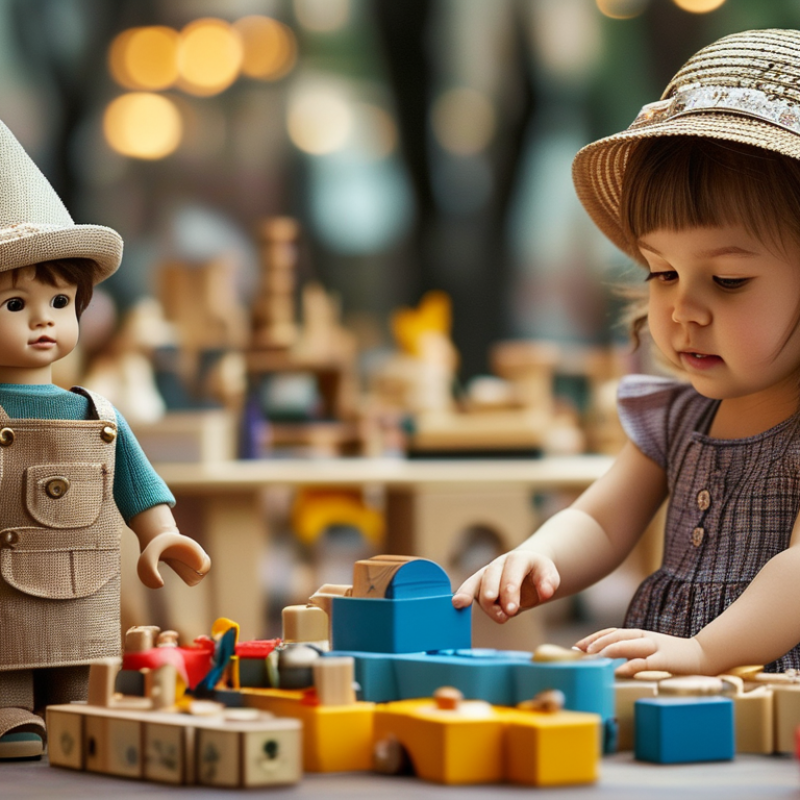
Criteria for Age Appropriateness in Pretend Play Toys
When selecting pretend play toys, age appropriateness is crucial. Toys should align with children's developmental stages. Research from the American Academy of Pediatrics indicates that imaginative play is essential for cognitive and social growth. For instance, toddlers benefit from simple toys like blocks, promoting creativity and problem-solving skills. In contrast, older children may thrive with more complex scenarios, such as role-playing sets.
Parents often overlook safety guidelines when choosing toys. The Consumer Product Safety Commission highlights that toys designed for older age groups may pose choking hazards for younger children. Additionally, toys should encourage imaginative play without being overly complicated. A balance between freedom and structure can foster creativity. However, toys that demand strict rules may hinder spontaneous imagination.
Furthermore, it's vital to consider the material of the toys. Non-toxic, durable materials enhance safety and longevity. Studies suggest that children prefer tactile, textured toys. These elements add to the sensory experience, enriching pretend play scenarios. However, not all toys cater to diverse play styles, leading to potential frustration. Recognizing these gaps helps in selecting appropriate toys that truly engage children's imaginations.
Top 10 Factors That Make a Good Pretend Play Toy
Durability and Safety Standards of Pretend Play Toys
When it comes to pretend play toys, durability and safety are paramount. Children often engage intensely during play. Toys are dropped, tossed, and chewed on. A good pretend play toy should withstand wear and tear. Materials matter. Non-toxic, sturdy options are essential to keep kids safe and engaged.
Safety standards play a crucial role. Toy manufacturers must adhere to stringent guidelines. Check for certifications that indicate the toy meets safety criteria. Sometimes, toys can have sharp edges or small parts. Even a small oversight can lead to accidents. It's worth examining each toy rigorously before purchase.
While many toys claim to be durable, not all stand the test of time. Some may break after a few uses. This not only frustrates kids but also concerns parents. Reflecting on quality over quantity is important. Investing in well-made, safe toys can lead to happier, longer play experiences. Ultimately, keeping safety and durability at the forefront makes for the best pretend play toys.
Versatility: The Importance of Multi-Functional Toys
Versatility is a fundamental quality in pretend play toys. Multi-functional toys encourage a rich variety of play experiences for children. A study by the American Academy of Pediatrics found that versatile toys enhance creativity and problem-solving skills. Children learn to adapt their play scenarios, which fosters cognitive development.
For instance, a single toy that can transform into a kitchen set, a car, or a doctor’s kit can keep a child engaged for longer periods. In research from the Toy Industry Association, 70% of parents reported that multi-functional toys held their children's interest better than single-purpose toys. This indicates that versatility leads to sustained engagement, essential for nurturing imagination.
Moreover, versatile toys adapt to a child's changing interests. A toy that can serve multiple roles allows for continuous exploration and innovation. Yet, not all toys fulfill this versatility. Some may fall short and feel repetitive. It’s worth reflecting on how often toys spark new ideas versus leading to predictable play.
Encouraging Imagination: Design Elements of Effective Toys
When selecting effective pretend play toys, certain design elements stand out. Research from the American Association of Pediatrics suggests that imaginative play boosts cognitive and social skills. Toys that are multifaceted allow children to engage in various role-playing scenarios. For instance, a dollhouse with interchangeable furniture can inspire storytelling and creative thinking. This flexibility aligns with developmental psychology principles, emphasizing the importance of open-ended play.
Colors and textures also contribute to the appeal of pretend play toys. Studies indicate that vibrant colors stimulate children's senses and encourage exploration. Toys with varied textures provide tactile feedback, enhancing sensory experiences. However, not every toy meets these criteria. Toys that are overly complex may frustrate rather than inspire. It’s crucial to strike a balance between challenge and accessibility to sustain engagement.
Furthermore, emotional connection plays a significant role. Toys that children can relate to foster empathy and understanding. For example, plush figures representing diverse characters enable kids to explore different perspectives. Yet, not all toys deliver on this front. Some lack diversity or realistic features, limiting their potential impact. Thoughtful design and attention to children’s needs can make a significant difference in promoting imaginative play.
Top 10 Factors That Make a Good Pretend Play Toy
| Factor |
Description |
Example |
| Safety |
Materials used should be non-toxic and free from sharp edges. |
Soft fabric dolls |
| Durability |
Toys should withstand rough play and last for a long time. |
Wooden play sets |
| Versatility |
Able to be used in multiple play scenarios. |
Kitchen sets |
| Encouragement of Imagination |
Toys should encourage creative role-play. |
Doctor kits |
| Simplicity |
Easy to understand and use for children of all ages. |
Simple action figures |
| Aesthetics |
Visually appealing to attract children's attention. |
Colorful building blocks |
| Educational Value |
Incorporate lessons about sharing, teamwork or learning skills. |
Science kits |
| Cultural Relevance |
Reflect diverse backgrounds and experiences. |
World culture doll sets |
| Affordability |
Reasonably priced to be accessible for most families. |
Cardboard playhouses |
| Inclusivity |
Toys should be suitable for all children, regardless of abilities. |
Adaptive play tools |
Educational Value: Learning Opportunities Through Pretend Play
Pretend play is a crucial element in child development. It offers unique learning opportunities from an early age. Children assume roles, develop narratives, and explore environments. This type of play enhances imagination and creativity. It allows kids to experiment with real-world scenarios. This can happen through role-playing activities with friends or during solitary play.
Educational value comes from the skills developed through pretend play. Children learn communication as they interact with peers. They practice problem-solving abilities by navigating various situations. Fine motor skills improve as they manipulate toys and props. Emotional intelligence grows as children express feelings and recognize those of others. Not all children engage in pretend play the same way, and that’s okay. It may take time for some to warm up to this form of expression.
Reflecting on pretend play, it’s clear that not everything will go smoothly. Children may struggle with social interactions or understanding roles. They might become frustrated when their ideas don’t unfold as planned. These moments provide critical learning opportunities. Encouraging children to reflect on their experiences will deepen their understanding. Adapting to challenges is just as vital as celebrating successes in play.
Conclusion
When considering what makes a good pretend play toy, several key factors come into play. First, toys should be age-appropriate, ensuring safety and engagement for children at different developmental stages. Durability and adherence to safety standards are also crucial, as they guarantee prolonged use without compromising children's well-being. Versatile toys that can serve multiple functions allow for varied play scenarios, enhancing creative experiences.
Moreover, effective design elements are vital in encouraging imagination and free play. Toys should feature attributes that stimulate creativity and narrative building, fostering a child's ability to explore different roles and stories. Lastly, the educational value of pretend play toys cannot be overlooked, as they provide numerous learning opportunities that aid in cognitive and social development. Together, these criteria outline the fundamental components that define what makes a good pretend play toy.

 Angeles Toys
