Role playing is a vital aspect of early childhood development. It allows children to explore their thoughts and emotions through imaginative play. According to Dr. Linda H. Smith, a leading child development expert, "Role play helps children make sense of the world around them." This statement highlights the importance of role playing in nurturing young minds.
Through role playing, children learn valuable social skills. They practice communication and collaboration in various scenarios. For example, they might play doctor, teacher, or parent. Each role offers unique lessons about empathy and relationships. Yet, it's important to note that not all children engage in role play equally. Some may need encouragement to participate.
Understanding why role playing is important in early childhood helps caregivers and educators support development. They can create environments that stimulate imagination and creativity. However, there is always a challenge in balancing structured activities and free play. The key is flexibility. Providing opportunities while respecting children's choices fosters growth. Overall, role playing is essential for developing critical thinking and social interaction skills.
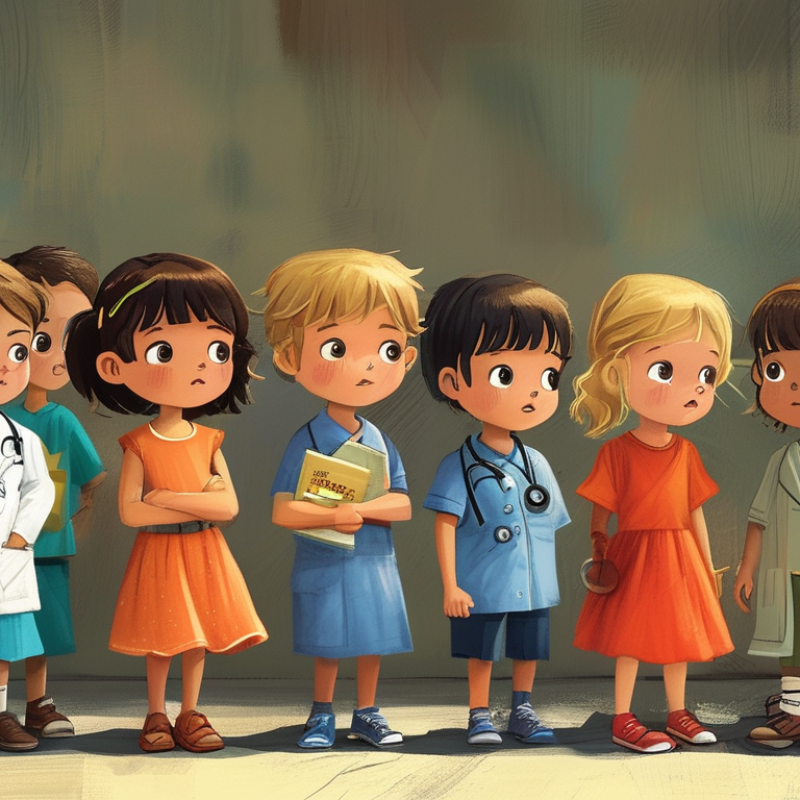
Role playing is a powerful tool in early childhood development. It allows children to explore different scenarios and roles in a safe environment. They can mimic adults, dive into imaginative worlds, and express emotions freely. This fosters creativity and builds social skills. Children learn to cooperate and negotiate with peers during play. They practice sharing and taking turns, which is crucial for their future interactions.
Through role playing, children develop empathy. When they act out various characters, they learn to understand different perspectives. This can deepen their emotional intelligence. For example, a child pretending to be a doctor learns about care and compassion. However, this process isn't always straightforward. Some kids may struggle to express themselves or may have conflicts while playing. These challenges offer valuable lessons in conflict resolution and resilience.
Role playing also enhances cognitive skills. Children must think critically about the roles they adopt. They need to use language effectively and create narratives. Yet, not every playtime goes smoothly. Occasionally, children may feel frustrated or unsure. This uncertainty can be a learning opportunity. Adults can guide children to reflect on their feelings and resolve issues together.
Role playing in early childhood settings engages children's imagination and enhances learning. It's a method where children act out different roles, exploring various scenarios. This form of play is essential for cognitive and social development. According to the American Academy of Pediatrics, imaginative play fosters problem-solving skills and is linked to higher academic performance by age 8.
Types of role playing activities vary widely in early childhood environments. Dramatic play areas allow children to dress up and imitate adults. They explore real-life functions like shopping, cooking, or doctor visits. Studies suggest that this immersive experience boosts empathy and understanding of social norms. However, not all children engage equally. Some may feel shy or uncertain about exploring these roles, highlighting the need for supportive environments.
Another popular activity is puppet play. This can help young children express emotions they might struggle to articulate. Research indicates that puppet-based storytelling can enhance communication skills. While role playing offers many benefits, educators should be aware of individual comfort levels. Encouraging participation without pressure is vital for fostering authentic engagement. It's important to reflect on how we guide children through these activities to ensure everyone feels included.
Role playing is a powerful tool in early childhood development. When young children engage in role playing, they explore different perspectives. This imaginative play allows them to practice real-world scenarios in a safe environment. For instance, playing "house" or "doctor" lets children learn about family roles or health in a fun way.
The cognitive benefits of role playing are significant. Children enhance their problem-solving skills as they navigate different situations. They also improve their language abilities by expressing thoughts and emotions. During these interactions, kids learn to communicate effectively. Watching peers enact various roles teaches empathy and social understanding, which are vital for emotional growth.
However, it's important to note that not all role playing is effective. Children may need guidance to explore more complex scenarios. Without proper direction, their play might become repetitive or lack depth. Caregivers should observe and suggest new roles or themes. This can enrich their experiences and ensure they reap the cognitive benefits fully. Engaging in diverse role playing activities can challenge children's thinking and foster a deeper understanding of the world around them.
Role play is a powerful tool that nurtures social and emotional skills in young children. It allows children to step into different roles and explore various scenarios. Through this exploration, they learn to express their feelings and ideas. For example, when a child plays the role of a doctor, they start to understand empathy. They begin to see the world from another person's perspective.
Engaging in role play helps children develop critical social skills. They learn to communicate effectively with peers. This practice encourages active listening and cooperation. Children negotiate roles and rules, which helps in conflict resolution. They often face challenges that require problem-solving. These experiences can be messy and imperfect, leading to real learning moments.
Moreover, role play fosters emotional regulation. Children encounter different emotions while acting out scenarios. They learn to identify and articulate their feelings. This can be difficult, as children often struggle to express complex emotions. However, through play, they gain confidence in sharing their thoughts and emotions. This developmental process is not always smooth, but it’s essential for emotional growth.
| Skill Developed | Description | Age Range | Example of Role Play |
|---|---|---|---|
| Empathy | Understanding and sharing the feelings of others. | 3-5 years | Playing doctor and caring for a "sick" toy. |
| Communication | Expressing thoughts and feelings effectively through conversation. | 3-6 years | Playing restaurant where children take orders and serve food. |
| Problem Solving | Identifying issues and brainstorming effective solutions. | 4-6 years | Building a fort with blocks to create a "safe house". |
| Teamwork | Working collaboratively with others towards a common goal. | 5-7 years | Playing a group game like "building a city". |
| Self-Regulation | Managing emotions and behaviors in various situations. | 4-6 years | Taking turns in a game of pretend play without interruptions. |
Integrating role play into early childhood education is more than just fun. It builds essential skills in young children. Engaging in pretend play helps develop language skills. Children explore vocabulary as they interact in various roles. They learn to express their thoughts and feelings. For example, a child playing doctor may ask about symptoms. This increases their confidence in speaking.
Role play also fosters social skills. Children learn to cooperate and negotiate with peers. They share ideas and resolve conflicts in a safe environment. Imagine a group pretending to run a store. They take turns being the cashier and the customer. This collaboration teaches empathy. However, not every child thrives in these scenarios. Some may feel overwhelmed. Educators need to observe and support those who struggle.
Creativity flourishes through role play. It encourages children to use their imagination. They invent scenarios and create stories. A child might decide to be a superhero. This sparks not only creativity but also problem-solving skills. Yet, there are challenges. Teachers must balance structured learning with free play. This balance is crucial for maximizing developmental benefits. Engaging in role play requires thoughtful planning and reflection from educators. The journey of integrating this approach is ongoing, requiring adaptation to each child’s unique needs.
: Role playing allows children to explore different scenarios and roles in a safe setting.
Children learn to cooperate, negotiate, and practice sharing during play, which are vital for future interactions.
Acting out characters helps children understand different perspectives and fosters emotional intelligence.
Yes, some children may struggle to express feelings or have conflicts, but these challenges teach valuable lessons.
Children think critically about their roles and use language to create narratives, promoting cognitive development.
Dramatic play and puppet play are popular, allowing children to explore real-life roles and express emotions.
Not all children engage equally; a supportive environment encourages participation and helps build comfort.
Occasional frustrations during play can prompt children to reflect on their feelings and resolve issues.
Adults should guide children thoughtfully, ensuring everyone feels included without pressure to perform.
Studies link imaginative play to improved problem-solving skills and higher academic performance by age 8.
Role playing plays a vital role in early childhood development, as it fosters essential cognitive, social, and emotional skills. Understanding why role playing is important in early childhood involves recognizing its diverse forms, from imaginative play to structured activities that encourage children to explore various roles and scenarios. Such activities stimulate creativity and critical thinking, allowing young learners to make sense of the world around them.
Furthermore, role playing helps children develop key social skills, such as empathy and cooperation, by allowing them to interact with peers in diverse situations. Through these interactions, children learn to express their feelings, negotiate, and resolve conflicts. Integrating role play into the early childhood education curriculum not only enhances learning experiences but also supports holistic development, ensuring children grow into well-adjusted individuals.

Angeles Toys