In recent years, pretend play toys have gained attention for their role in enhancing communication skills among children. As Dr. Emily Hart, a renowned child development expert, states, “Engaging in pretend play allows children to express themselves freely and learn the art of conversation.” But how can pretend play toys improve communication skills?
Pretend play creates a rich environment for children. By imitating adults and creating narratives, children practice vocabulary and sentence structure. They learn to ask questions and convey their thoughts effectively. These toys are not just fun; they are tools for social interaction. Children learn to cooperate, negotiate roles, and resolve conflicts during play. This interactive process is vital for developing empathy and understanding different perspectives.
However, it's important to recognize that not all children respond to pretend play in the same way. Some may hesitate to engage, feeling shy or unsure of their abilities. This variability highlights the need for gentle encouragement from caregivers. Providing a supportive environment is crucial for children to explore and develop their communication skills. Pretend play toys can indeed foster this growth when matched with the right guidance.
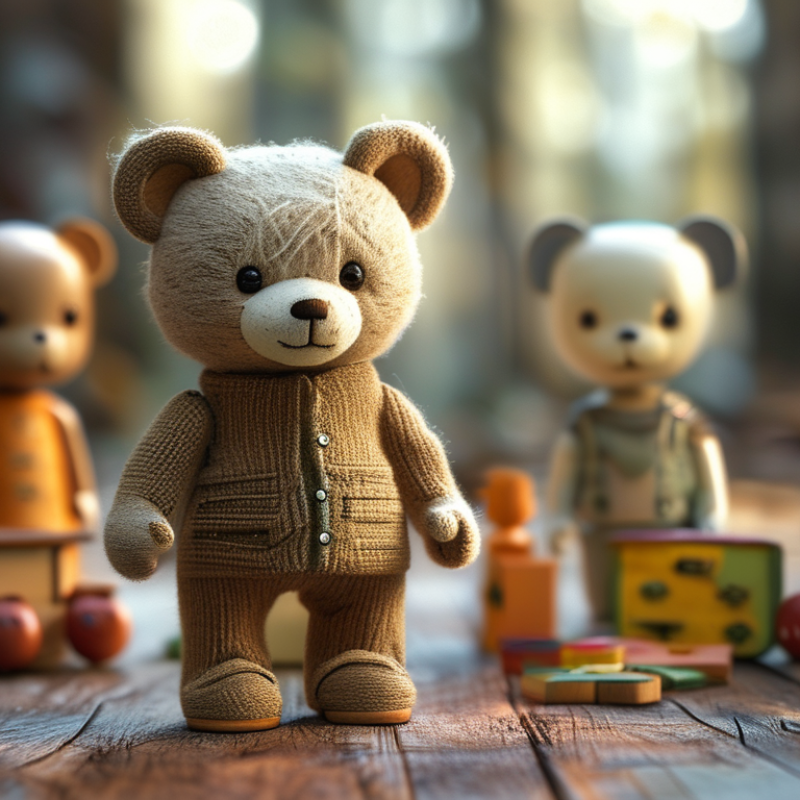
Pretend play toys play a crucial role in child development. They create a vibrant environment for kids to explore and interact. Through role-playing, children mimic adult behaviors, enhancing their understanding of communication. For instance, when a child pretends to be a doctor, they learn medical terms and how to express care. This imaginative play fosters vocabulary growth and comprehension skills.
Moreover, pretend play encourages social interaction. Children often play together, negotiating roles and rules. They learn to listen and respond to each other, which sharpens their conversational skills. In these scenarios, a child might get frustrated when friends don’t follow the game rules. This discomfort is part of the learning process, teaching them patience and empathy.
Engagement with pretend play toys can also reveal areas for improvement. Some children may struggle to articulate their thoughts during play. This could be an opportunity for parents to step in, guiding them through language usage. It’s important to reflect on these moments. Learning through play can be imperfect but highly beneficial if approached mindfully. Children thrive when given freedom in their imagination, and that freedom also invites complexity and challenges in communication.
Pretend play plays a crucial role in stimulating language acquisition. Children engage in imaginative scenarios that encourage communication with peers. Research indicates that children who regularly participate in pretend play exhibit enhanced vocabulary and sentence structure. A study from the National Association for the Education of Young Children highlights that children participating in role-playing activities show a 30% improvement in language skills compared to those who do not.
By acting out different roles, children learn to express themselves in varied contexts. They practice narrative skills and develop the ability to articulate their thoughts clearly. Encouraging your child to use pretend play toys can facilitate this learning process. Creating a space for role-playing can help inspire creativity. Simple props can turn everyday experiences into rich storytelling opportunities.
Engaging in group pretend play fosters collaboration and negotiation skills. Children learn to listen actively and respond appropriately. This interaction builds their conversational skills in a natural setting. It's valuable to observe how your child uses language while playing. Look for moments when they might struggle to express an idea. These instances can reveal areas where they may need encouragement or vocabulary expansion.
Pretend play toys serve as essential tools for emotional expression. Role-playing through toys allows children to explore different scenarios and feelings. According to the American Academy of Pediatrics, pretend play is critical for social and emotional development. Children learn to navigate their emotions by acting out various roles. This practice helps them articulate feelings more clearly.
Incorporating these toys into playtime can significantly enhance communication skills. Children express complex emotions through storytelling and dialogue during play. Research shows that children who engage in pretend play develop better verbal skills. They learn to negotiate, share, and empathize with others. These skills are crucial for later life interactions.
Engaging with pretend play toys encourages creativity and confidence in self-expression. When children role-play, they sometimes struggle to find the right words. This challenge can spark reflection on their feelings and thoughts. Parents can guide them through these moments, using gentle prompts to help articulate emotions. Open-ended questions during play enhance their ability to express themselves. Creating a safe space for exploration fosters deeper connections with peers and adults.
| Tip Number | Pretend Play Toy Example | Communication Skill Enhanced | Emotional Expression Benefit |
|---|---|---|---|
| 1 | Dollhouse | Narrative Skills | Understanding family dynamics |
| 2 | Kitchen Set | Vocabulary Development | Sharing and cooperation |
| 3 | Doctor Kit | Questioning Skills | Expressing care and concern |
| 4 | Action Figures | Storytelling | Fantasy and imagination |
| 5 | Puppet Theatre | Expressive Speech | Emotional role exploration |
| 6 | Car Play Set | Conversational Skills | Negotiation and planning |
| 7 | Superhero Costumes | Role Identification | Confidence building |
| 8 | Shopping Cart | Transactional Language | Understanding value and choice |
| 9 | Veterinarian Set | Empathy Development | Compassionate connections |
| 10 | Crafting Kit | Collaborative Skills | Creativity and self-expression |
Collaborative pretend play activities significantly enhance children's social skills. These activities provide a platform for children to engage with peers, fostering vital communication. Through role-playing, kids learn to express their thoughts and emotions more clearly. They also practice listening, which is crucial in building effective communication.
In group scenarios, children must negotiate roles. This negotiation encourages them to articulate their desires and reach agreements. Role-switching during play can lead to deeper empathy. When a child takes on another's role, they learn to see the world from a different perspective. It’s a lighthearted way to navigate complex social interactions.
Encouraging open-ended scenarios can enrich pretend play experiences. Create settings that spark imagination, whether it's a kitchen, a space station, or a magical forest. Providing props can further inspire creativity while allowing children to invent stories together. Peer collaboration can sometimes lead to conflicts, but resolving these issues is a learning opportunity. Mistakes in communication can be stepping stones, guiding children towards better interactions in future play.
Pretend play toys serve as a powerful tool to enhance children's narrative skills. Engaging in creative scenarios inspires kids to explore different roles and perspectives. According to a report by the American Academy of Pediatrics, imaginative play promotes language development. Children express thoughts and emotions, building confidence in their communication abilities.
One effective way to encourage narrative skills is to create themed play areas. For instance, a makeshift kitchen allows children to role-play as chefs. They narrate their cooking adventures, enhancing vocabulary and sentence structure. Such play not only boosts language skills but also aids in social interactions.
Another strategy is to introduce story-based prompts during playtime. Asking open-ended questions encourages children to elaborate on their stories. “What happens next?” or “How does the character feel?” stimulates deeper thinking. Research from the National Association for the Education of Young Children indicates that these interactions are pivotal for developing critical thinking. While some children may initially struggle, continuous support fosters resilience and encourages them to articulate their ideas. Such experiences shape their ability to convey complex narratives as they grow.
: Pretend play toys help children explore and interact. They mimic adult behaviors, improving communication skills.
It encourages imaginative scenarios, enhancing vocabulary and sentence structure for children involved in these activities.
Children learn to express themselves in varied contexts and improve narrative skills through role-playing activities.
Yes, it encourages negotiation and listening skills. Children learn to respond appropriately while engaging with peers.
Parents can step in to guide language usage. Reflect on these moments as valuable learning experiences.
Discomfort when rules are broken teaches patience and empathy, essential skills for social interactions.
Providing simple props can inspire creativity and transform everyday experiences into storytelling opportunities.
Learning can be imperfect. Reflect on challenges as opportunities to encourage growth and development in communication.
It allows parents to notice language usage moments where children may need vocabulary expansion or encouragement.
Children thrive with freedom in their imagination. However, it also brings complexity and challenges in communication that can be beneficial.
Pretend play toys play a crucial role in child development, particularly in enhancing communication skills. By engaging in pretend play, children naturally stimulate language acquisition as they experiment with new vocabulary and phrases through imaginative scenarios. These toys encourage emotional expression, allowing children to articulate feelings and perspectives while role-playing different characters.
Furthermore, collaborative pretend play activities foster social skills by promoting teamwork and negotiation among peers. As children engage in creative play scenarios, they also develop narrative skills, learning to construct and communicate stories effectively. Overall, exploring how can pretend play toys improve communication skills reveals their significance in nurturing a child's ability to express themselves and interact with others confidently.

Angeles Toys