How Can Pretend Play Toys Boost Independent Learning Skills?

Time:2026-07-27 Author:Sophia
0%

Pretend play toys have a significant impact on children's learning. These engaging tools encourage creativity and exploration. Children often mimic real-life scenarios, which fosters cognitive development. Parents and educators often ask: how can pretend play toys encourage independent learning?

When children immerse themselves in pretend play, they create their own narratives. This process promotes problem-solving skills and critical thinking. For instance, a child playing market can learn about money management and negotiation. Such experiences empower children to make decisions independently.

Moreover, pretend play supports emotional and social development. It allows children to express feelings and understand others’ perspectives. Though the benefits are notable, parents should monitor playtime. Too much unstructured play may lead to confusion in learning objectives. Balancing guided learning with pretend play is essential for optimal development.
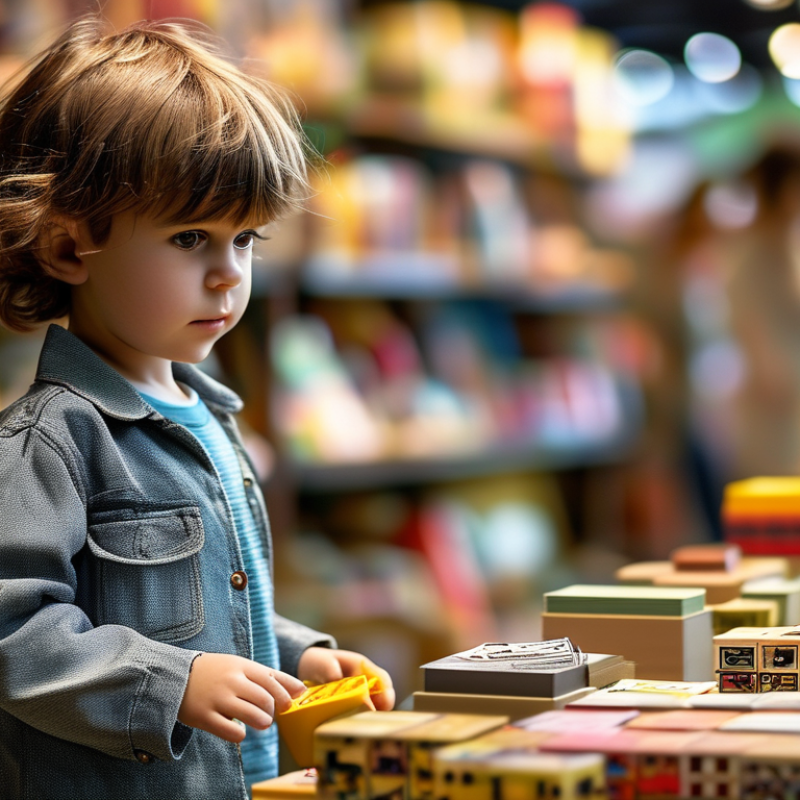
How Can Pretend Play Toys Boost Independent Learning Skills?

The Role of Pretend Play Toys in Child Development

Pretend play toys play a significant role in child development. These toys inspire imagination and creativity. Children engage in narratives and scenarios, which enhances their language skills. When kids act out roles, they learn to communicate feelings and ideas. This type of play allows for social interactions with peers. As they negotiate or collaborate, children build teamwork skills.

The experience of using pretend play toys fosters problem-solving abilities. Kids may encounter challenges while creating stories or scenarios. These moments encourage critical thinking, as they must find solutions. Children also learn to make decisions based on their play. Sometimes, they hit roadblocks in their imaginative journeys. Reflecting on these moments can lead to deeper insights about their choices.

Pretend play toys also help develop emotional intelligence. Children explore complex feelings through various characters. They learn empathy by stepping into someone else's shoes. However, not all children engage with these toys in the same way. Some may feel shy or unsure. It’s important for caregivers to observe these interactions. This reflection can help adults provide better support and create a nurturing environment.

Understanding Independent Learning Skills in Children

Independent learning skills are essential for children's development. These skills help kids become self-directed learners. Through pretend play, children practice decision-making and problem-solving. They explore different roles and scenarios, fostering creativity and independence.

Using various toys, kids engage in imaginative play. Whether it’s playing house or pretending to be a doctor, each role offers valuable lessons. Toys that encourage role-play help children learn to think critically. They experiment with choices, facing both successes and failures. This process allows for reflection, an important part of learning.

However, not all children develop these skills at the same pace. Some may struggle to initiate play or maintain focus. Others might rely too heavily on adult direction. It’s crucial to provide support while encouraging autonomy. By fostering an environment where children can explore freely, we help them build confidence and independence. Empowering children through play nurtures their ability to learn on their own.

Types of Pretend Play Toys that Enhance Learning

Pretend play toys, designed to mimic real-life scenarios, can significantly enhance independent learning skills in children. Kitchen sets, for example, inspire kids to explore cooking. They practice measurement, follow sequences, and learn about nutrition. While engaging, they can also struggle with sharing tasks or prioritizing chores, which leads to real-life challenges.


Role-play toys, such as doctor kits, encourage empathy and social interaction. Children take turns as doctors or patients, learning how to communicate their needs. Sometimes, children may resist the roles assigned to them. This reluctance offers opportunities for discussion and negotiation. Through this, kids gain conflict resolution skills, essential for independent learning.


Artistic toys like building blocks foster creativity and problem-solving. Children experiment with designs and structures, often facing failures. This trial-and-error approach is crucial for their growth. They learn resilience when a tower falls or a structure collapses. Embracing these imperfections aids independent thinking as children devise new strategies.

How Imaginative Play Fosters Problem-Solving Abilities

Imaginative play plays a crucial role in developing problem-solving abilities in children. When kids engage in pretend play, they step into new roles and scenarios. This exploration fosters creativity. For instance, when a child pretends to be a chef, they experiment with combinations of ingredients. They ponder what flavors mix well, sparking both critical thinking and decision-making skills.

Through role-playing, children encounter challenges. A child might face a "cooking disaster," like burnt cookies. They learn to adapt and find solutions. These situations encourage resilience. Failing in a safe environment pushes them to rethink their strategies. Children grow comfortable with making mistakes, understanding that failure is part of the learning journey.

Such activities also nurture collaboration. Kids often play together, negotiate roles, and share ideas. They learn to communicate effectively, honing their verbal and social skills. Simplifying complex tasks becomes second nature as they bounce ideas off their peers. This interaction builds confidence in their problem-solving approach, essential for their future learning.

The Impact of Social Interaction through Pretend Play on Learning

Pretend play serves as a vital platform for social interaction, significantly boosting independent learning skills in children. During imaginative play, children often assume various roles, allowing them to experiment with language and social cues. According to a study published in the journal “Child Development,” engaging in pretend play enhances children's communication skills by 30%. This rise stems from the need to articulate thoughts and negotiate roles while interacting with peers.

Through pretend play, children learn to solve conflicts and collaborate. They negotiate rules, manage disagreements, and share responsibilities. Research from the American Academy of Pediatrics highlights that children engaged in social play are better equipped to navigate social dynamics in school settings. The collaborative aspect of pretend play nurtures empathy and understanding. Children learn to see things from others’ perspectives, a foundational skill for lifelong learning.

However, not all pretend play experiences promote positive outcomes. Limited adult engagement can lead to missed opportunities for guided learning. Sometimes, children may dominate play scenarios, sidelining others. Reflecting on these interactions is crucial for fostering an inclusive play environment. Encouraging balanced participation can enhance social skills even further. This complexity in pretend play underscores the need for intentional facilitation to maximize its educational benefits.

How Can Pretend Play Toys Boost Independent Learning Skills?

Dimension Description Impact on Independent Learning
Creativity Encourages imaginative scenarios and role-playing, fostering creative thought processes. Promotes problem-solving skills and original thinking.
Communication Facilitates verbal expression and dialogue through interactive play. Enhances language skills and ability to articulate thoughts.
Social Skills Involves cooperation, negotiation, and emotional understanding with peers. Builds teamwork skills and empathy towards others.
Critical Thinking Invites children to make decisions and evaluate outcomes in various scenarios. Encourages analytical thinking and decision-making skills.
Emotional Intelligence Allows exploration of feelings and role of empathy through character interactions. Fosters better relationships and personal well-being.

FAQS

: What benefits do pretend play toys offer to children?

: Pretend play toys inspire imagination and enhance creativity. They also improve language skills and communication.

How do pretend play activities help with social skills?

Children interact with peers, negotiate roles, and collaborate. This promotes teamwork and better social interactions.

Can pretend play toys foster problem-solving abilities?

Yes, they provide challenges that encourage critical thinking and decision-making. Children learn to adapt to different scenarios.

Do all children engage with pretend play toys equally?

No, some may feel shy or unsure. It's important for caregivers to observe and support their engagement.

How does imaginative play develop emotional intelligence?

Children explore feelings through characters and learn empathy by stepping into someone else's shoes during play.

What is the role of reflection in play?

Reflecting on play experiences encourages critical thinking. It helps children understand their choices and learn from both successes and failures.

How can caregivers support independent learning skills?

By providing opportunities for free exploration, caregivers can help children build confidence and learn to navigate their own play.

What challenges might children face during imaginative play?

They may encounter roadblocks that require them to rethink strategies. Such moments are crucial for developing resilience.

Are some children more dependent on adult guidance?

Yes, some children might rely heavily on adult direction instead of initiating play. Support is key to fostering independence.

Why is creating a nurturing environment important?

A supportive environment helps children feel secure, allowing them to explore and learn autonomously. Reflecting on their experiences is essential.

Conclusion

Pretend play toys play a significant role in child development by facilitating independent learning skills. These toys encourage imaginative scenarios that allow children to explore and experiment, thus enhancing their problem-solving capabilities. By engaging in make-believe play, children develop critical thinking skills and learn how to navigate challenges creatively.

Furthermore, social interaction during pretend play promotes collaboration and communication, further enriching the learning experience. Understanding how can pretend play toys encourage independent learning is essential for parents and educators seeking to foster autonomy in children. By integrating various types of pretend play toys into learning environments, caregivers can create opportunities for children to develop essential skills necessary for lifelong learning and personal growth.

Sophia

Sophia

Sophia is a dedicated marketing professional with an exceptional depth of knowledge about her company's products and services. With a keen understanding of market trends and customer needs, she crafts insightful blog posts that not only inform but also engage readers, enriching the company’s online......