In recent years, the market for pretend play toys has witnessed significant transformations. As parents seek toys that not only entertain but also educate, understanding "what are the latest trends in pretend play toys" becomes crucial for buyers. Renowned toy expert Dr. Emily Carter notes, "Current trends reflect a shift towards toys that encourage social interaction and creativity." This highlights a growing demand for products that facilitate cooperative play.
Eco-friendly materials and STEM-based themes are at the forefront of today's pretend play toys. Parents are increasingly concerned about sustainability and educational value in their children's play choices. Many contemporary toys blend traditional play with modern themes, inviting children to explore new roles. However, with the sheer volume of options, it can be overwhelming for buyers to make informed decisions.
It's essential to consider these trends carefully. Not every popular toy suits every child's needs. Buyers should reflect on their child's interests and developmental stage. Engaging in pretend play fosters imagination, yet finding the right toy can enrich those experiences.
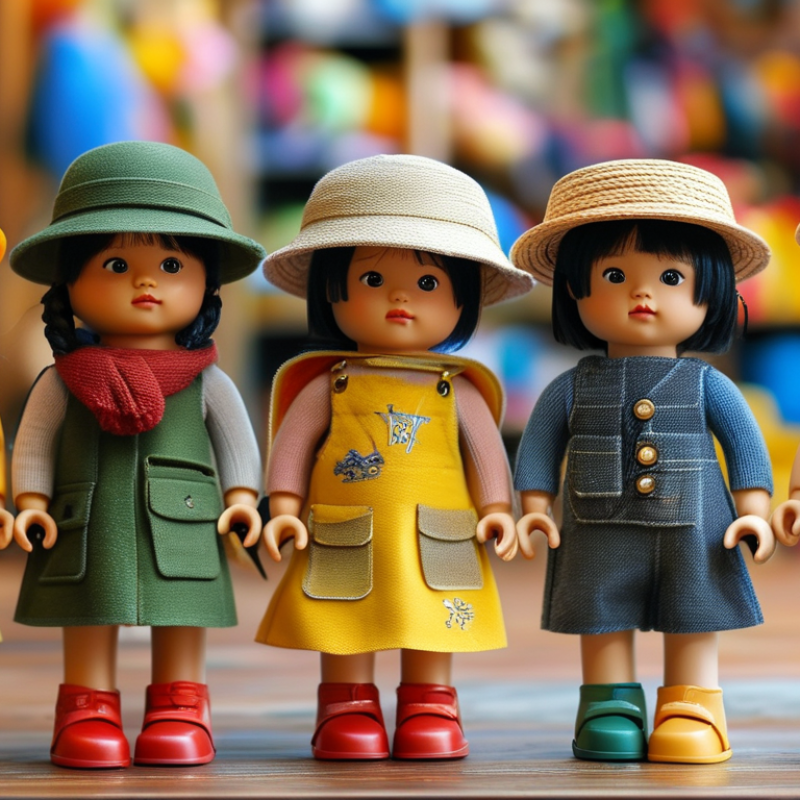
Pretend play is essential for child development. It nurtures creativity and encourages imagination. Children learn to express themselves and explore different roles through this play. They might pretend to be doctors, teachers, or even animals. These activities are important for social skills and emotional understanding.
Engaging in pretend play helps kids develop critical thinking. They learn to solve problems and make decisions. Children might face challenges while inventing scenarios or negotiating roles with peers. This fosters resilience and adaptability. However, not all children engage equally. Some might struggle with initiating pretend play, requiring encouragement from caregivers.
The latest trends in pretend play toys reflect these developmental needs. Toys that inspire narrative play can enhance communication skills. Yet, parents should critically choose toys that align with their child’s interests. Too often, flashy toys can overshadow simple, open-ended options. Balancing quality and variety can support essential growth in imaginative play.
Current trends in pretend play toys highlight the importance of immersive play experiences. Children are drawn to toys that reflect real-life occupations and situations. This connection fosters creativity and social skills. Pretend play enables kids to experiment with roles, helping them understand the world around them.
The latest trend involves inclusive designs. Toys that represent diverse cultures and abilities are becoming increasingly popular. This shift encourages empathy and acceptance among young players. However, some parents may feel overwhelmed by the variety available. It can be challenging to choose toys that align with their child's interests and developmental needs.
Moreover, sustainability is gaining attention in the toy industry. Eco-friendly materials and practices are becoming a focus for many manufacturers. Parents are seeking toys that are safe for their children and the planet. However, the balance between safety and playability can be tough to navigate. As trends evolve, buyers must stay informed about what truly benefits their families.
In recent years, the toy market has seen a significant shift towards pretend play toys. This trend reflects a greater understanding of child development. Parents are increasingly aware of how these toys can enhance creativity and social skills in children. They see the value in toys that allow imaginative scenarios. These toys can facilitate communication, negotiation, and problem-solving among kids.
When buyers explore options, several factors influence their choices. Safety is a top priority. Parents want non-toxic materials and sturdy construction. They also consider educational value. Toys that encourage learning through play often appeal more. Cost plays a role too. Buyers often seek high-quality items that offer longevity without breaking the bank. The aesthetic appeal cannot be overlooked. Bright and engaging designs attract both parents and children.
Reflecting on these trends, the market is evolving. Still, not all products live up to these expectations. Some toys may look appealing but lack substance. Buyers should research reviews and expert opinions before making purchases. Understanding these factors helps parents make informed decisions while navigating the vast selection available.
When selecting pretend play toys, educational value plays a crucial role. These toys can enhance cognitive, emotional, and social skills. They foster creativity and problem-solving abilities in children. Engaging in pretend play helps kids to understand the world around them. It provides a safe space to explore roles and scenarios. Parents should consider these educational benefits when making a purchase.
Role-playing toys can teach important life skills. They encourage communication and collaboration among peers. Children learn negotiation and conflict resolution through play. Such interactions can be guided by adults, enhancing the learning experience. Observing your child's interests can help tailor choices. Look for toys that align with their current developmental stage.
Consider these aspects when choosing toys. Assess the materials used and ensure they are safe. Watch how your child engages with different toys. Does their imagination soar, or do they lose interest quickly? Understand that not all toys fit every child. Your observations matter in selecting the right toys that provide both fun and educational value.
Social media is a powerful tool that influences toy trends. Platforms like Instagram and TikTok allow toy enthusiasts to share their experiences. Through colorful posts and engaging videos, toys gain visibility and popularity. Parents are increasingly turning to these platforms for insights on the latest pretend play toys. They seek recommendations from relatable influencers, valuing their opinions.
The visual nature of social media creates a desire for specific toys. Users often perceive toys as must-haves when they see them styled in fun settings. This makes the buying process exciting yet overwhelming. The pressure to purchase trendy items can lead to impulse buying. Parents may find themselves caught between what their children want and what is truly beneficial for their development.
Engagement with trending toys can spark creativity in children. However, it raises questions about consumerism and sustainability. The cycle of trends may result in toys being used briefly before being discarded. Buyers must reflect on their choices. Are they simply following trends, or are they selecting toys that encourage meaningful play?
| Trend | Description | Social Media Influence | Buyer Importance |
|---|---|---|---|
| Sustainable Materials | Toys made from eco-friendly and recyclable materials. | Trending on platforms promoting eco-conscious brands. | Appeals to environmentally aware buyers. |
| STEM-Focused Toys | Toys that encourage science, technology, engineering, and math skills. | Promoted by influencers in education and parenting niches. | Parents prioritize educational value in purchases. |
| Interactive Playsets | Playsets that incorporate technology or AR features. | Viral trends on social media showcasing unique play features. | Enhanced play experience attracts tech-savvy parents. |
| Inclusive Toys | Toys representing diverse characters and abilities. | Hashtag movements promoting representation in toys. | Encourages parents to choose products fostering inclusivity. |
| Imaginative Role Play | Toys designed for pretend play scenarios, like kitchens or toolsets. | Featured in DIY and lifestyle vlogs for children’s development. | Parents seek toys that develop social and emotional skills. |
: Safety, educational value, cost, and aesthetic appeal are crucial for buyers.
They enhance creativity, social skills, and problem-solving in children.
Safety is a top priority for parents; they seek non-toxic materials and sturdy construction.
Educational toys enhance cognitive and social skills, providing valuable learning experiences.
Watch if their imagination soars or if they quickly lose interest.
Yes, research reviews and expert opinions to make informed choices.
No, not all toys meet expectations; some may lack educational substance.
Consider if selected toys align with the child's developmental stage and interests.
They encourage communication, collaboration, and teach negotiation skills through interactive play.
Yes, observations matter; each child's interests and developmental needs vary significantly.
The article "Why Are Latest Trends in Pretend Play Toys Important for Buyers?" explores the critical role that pretend play has in child development, emphasizing its significance in fostering creativity and social skills. It also highlights what are the latest trends in pretend play toys, which reflect growing consumer interests in educational value and interactive features. As the toy market evolves, buyers are increasingly influenced by factors such as educational benefits and the power of social media to shape purchasing decisions.
Moreover, the article discusses how social media platforms serve as a catalyst for trends, allowing parents to discover and engage with the latest innovations in pretend play toys. This dynamic not only helps in selecting toys that provide educational value but also engages children in imaginative play, thus reinforcing the importance of making informed choices in the ever-changing toy landscape.

Angeles Toys