5 Best Differences Between Pretend Play and Traditional Play

Time:2026-10-15 Author:Amelia
0%

Children do not play in only one way. A child may build a wooden train, follow a familiar board-game rule, or turn a cardboard box into a spaceship. These moments look similar from across the room, yet they involve different kinds of thinking. So, what are the differences between pretend play and traditional play? This question matters for parents, teachers, toy designers, and anyone observing early childhood development.

The American Academy of Pediatrics explains in The Power of Play that play supports language, self-regulation, executive function, and social development. Its guidance also emphasizes child-led, enjoyable experiences rather than constant adult direction. UNICEF’s Learning through Play report similarly identifies play as a practical pathway for developing knowledge, skills, and confidence. These professional sources do not treat imagination as a luxury. They connect playful experiences with everyday learning, from negotiating roles to solving a problem with a missing toy part.

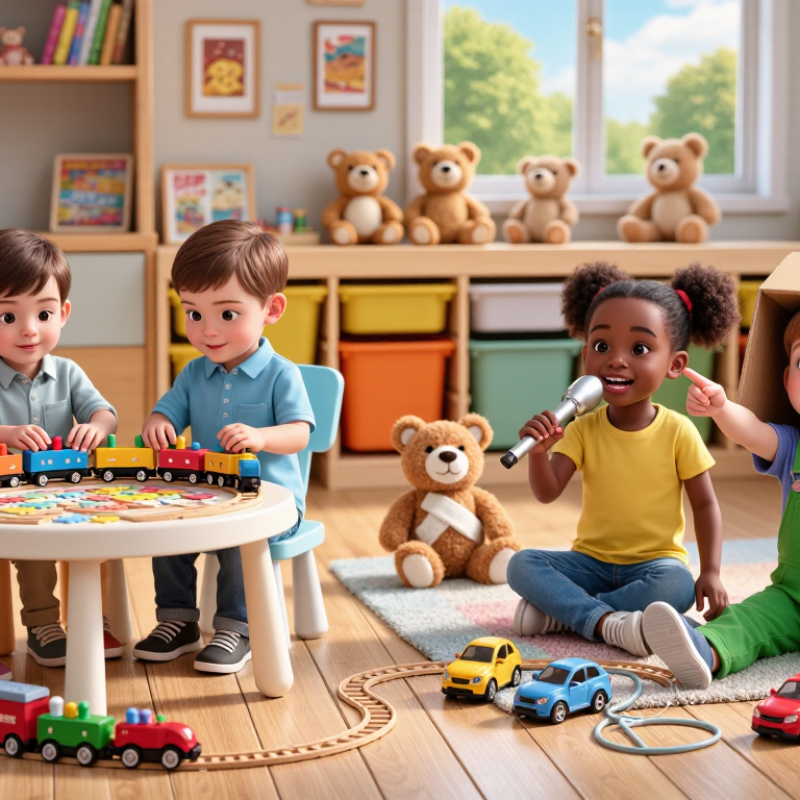
Traditional play often follows familiar rules, materials, or physical patterns. Think of stacking blocks, completing a puzzle, playing tag, or taking turns in a simple game. Pretend play adds imagined meanings, flexible roles, and invented situations. A spoon becomes a microphone. A quiet corner becomes a hospital. The difference is not always clean. Real play overlaps, and children can shift between modes within minutes. That uncertainty deserves attention. A pretend game may teach counting, while a traditional activity may spark storytelling. The five differences explored here focus on imagination, structure, goals, social interaction, and developmental value, without assuming one form is automatically better.
5 Best Differences Between Pretend Play and Traditional Play

Definition and Core Features of Pretend Play and Traditional Play

5 Best Differences Between Pretend Play and Traditional Play

Pretend play uses imagination to transform ordinary objects and situations. A cardboard box becomes a train, shop, or quiet house. Children create roles, stories, and meanings while playing. Traditional play usually follows familiar purposes, fixed rules, or realistic uses. Building blocks form towers, puzzles require matching, and board games follow turns.

The differences are clear in daily observation. Pretend play is flexible, while traditional play is more structured. Pretend play invites storytelling, but traditional play often focuses on skills or results. A spoon can become a microphone during pretend play. In traditional play, it remains a tool for a planned activity. Pretend play also supports emotional expression and social negotiation. Children may act as doctors, parents, or firefighters. Traditional play can strengthen coordination, memory, counting, and rule-following. Neither form is better. That idea needs care.

Tips: Offer open-ended objects, such as fabric, boxes, cups, and wooden pieces. Avoid correcting every invented detail. Ask, “What happens next?” and listen closely. Join the story only when invited. Keep traditional games available too, especially when children need predictable boundaries. Watch for repeated themes, but do not label them too quickly. A child pretending to rescue a toy may simply enjoy action, or may be exploring fear and care. Adults can miss that difference. Record brief observations instead of guessing. Allow quiet play. It can look unproductive, yet important thinking may be happening underneath.

5 Best Differences Between Pretend Play and Traditional Play - Definition and Core Features of Pretend Play and Traditional Play

Comparative Overview of Pretend Play and Traditional Play
Comparison Dimension Pretend Play Traditional Play Practical Example or Developmental Focus
1. Definition Play in which a child represents one object, role, event, or situation as something else. Play based mainly on familiar activities, established rules, physical actions, or the direct use of objects. Pretending a cardboard box is a vehicle versus using a ball for rolling, throwing, or catching.
2. Use of Imagination and Symbolism Strongly depends on symbolic thinking, imagination, and the ability to assign new meanings to objects or actions. Usually involves literal use of materials, direct sensory exploration, or actions with an obvious purpose. A block may become a telephone in pretend play; in traditional construction play, it remains a building piece.
3. Rules and Structure Rules are often flexible, created by the players, and changed as the story or roles develop. Activities may follow established instructions, turn-taking patterns, physical constraints, or recognizable game rules. Children can change the rules of a pretend restaurant, while a conventional board or ball game generally uses agreed procedures.
4. Social Interaction and Roles Encourages role-taking, dialogue, cooperation, negotiation, and practice with social situations. Can support cooperation and communication, but interaction is often organized around shared activity, turn-taking, or competition. Children may act as family members or community workers in pretend play; traditional play may involve passing a ball or completing a puzzle together.
5. Main Developmental Benefits Supports language development, narrative thinking, emotional expression, perspective-taking, planning, and flexible problem-solving. Supports physical coordination, sensory learning, spatial awareness, persistence, rule understanding, and practical problem-solving. Both forms are valuable; pretend play emphasizes meaning and social imagination, while traditional play often emphasizes direct action and skill practice.
Key takeaway: Pretend play and traditional play can overlap. An activity may begin with direct physical play and develop into imaginative play when children assign new roles, meanings, or story elements to it.

Differences in Imagination, Rules, and Player Participation

5 Best Differences Between Pretend Play and Traditional Play

Differences in Imagination, Rules, and Player Participation

Pretend play gives children a world to author. A cardboard box becomes a clinic, spaceship, or bakery. Roles can change within minutes. The Centers for Disease Control and Prevention lists pretending to be someone else as a common four-year milestone. This supports imagination, language, and perspective-taking. Traditional play usually starts with a fixed action, such as stacking blocks, rolling a ball, or completing a puzzle. Its challenge is visible. Pretend play hides the challenge inside the story.

Rules also work differently. Traditional games often use clear turns, goals, and winning conditions. Pretend play uses negotiated rules. One child may announce, “The floor is lava,” while another quietly changes the rule. Participation becomes active and verbal. Children must suggest roles, accept revisions, and repair disagreements. The American Academy of Pediatrics describes play as important for executive function and social development, although evidence does not prove every pretend scenario produces equal benefits.

Player participation can be flexible. A child may act, narrate, observe, or enter later. That openness can include quieter children, but it can also create confusion. WHO guidelines recommend at least 180 minutes of daily physical activity for children aged three to four, including 60 minutes of moderate-to-vigorous movement. Pretend play should not replace energetic traditional play. The boundary is messier than this comparison suggests. Some children need structure before imagination feels safe.

5 Best Differences Between Pretend Play and Traditional Play

Differences in imagination, rules, and player participation

This comparison uses a qualitative 1–5 emphasis scale, based on commonly recognized characteristics of pretend play and rule-based traditional play. Pretend play generally allows more symbolic imagination, flexible rules, and child-led participation, while traditional play usually provides clearer structures, shared rules, and more predictable roles.

Scale: 1 = low emphasis, 5 = high emphasis. The scores describe typical play features rather than performance measurements of individual children.

Comparison of Learning, Creativity, and Problem-Solving Development

5 Best Differences Between Pretend Play and Traditional Play

Comparison of Learning, Creativity, and Problem-Solving Development

Pretend play turns a cardboard box into a shop, spaceship, or quiet hiding place. Traditional play usually follows clearer rules, such as stacking blocks, matching shapes, or rolling a ball. In classroom observations, children often practice language more deeply during pretend scenes. They negotiate roles, explain imaginary events, and adjust stories when friends disagree. Traditional play strengthens repetition, hand control, memory, and early understanding of cause and effect. Both forms teach, but they direct attention differently.

Pretend play gives children wider creative control. A spoon can become a microphone. A blanket can become a mountain. This flexible setting encourages children to invent problems and test unusual solutions. Traditional play offers a steadier challenge. Children can compare sizes, rebuild a fallen tower, or change one action to see a different result. These tasks support focused problem-solving. Pretend play may also develop empathy because children act as doctors, parents, or frightened animals. Yet imagination is not automatically beneficial. Without enough time, materials, or social support, it can become repetitive.

Adults matter in both settings. A thoughtful question can extend learning: “What could make the bridge stronger?” However, too many instructions may quietly replace the child’s ideas. I have seen well-planned activities fail when adults corrected every detail. That mistake deserves attention. The strongest approach leaves room for mess, pauses, and imperfect plans, while offering safe materials and observing how each child thinks.

How Social Interaction and Emotional Expression Differ

5 Best Differences Between Pretend Play and Traditional Play

Pretend play and traditional play can look similar, yet their social signals often differ. In pretend play, children create roles, stories, and imaginary problems together. A child may whisper, “The baby is sick,” while another prepares a toy cup. This scene invites negotiation, empathy, and emotional language. Traditional games usually rely on clear actions, turns, or physical goals. Rules make interaction easier to follow, but they can leave less room for personal storytelling.

Pretend play also allows emotions to change quickly. During a pretend rescue, a child may act frightened, brave, angry, and relieved within minutes. These shifts help children rehearse emotional expression without facing a real danger. In a ball game, excitement, disappointment, and frustration may appear more directly. A missed catch can bring tears or silence. The group then practices comfort, patience, and fair responses. However, not every child shows feelings openly. Some children communicate through movement, pauses, or repeated actions.

Adults can learn much by watching before correcting. I have sometimes assumed that a quiet child was disengaged, but the child was carefully studying the group. That assumption needs challenging. Gentle questions can support participation without controlling the story. Social growth is not identical in every play setting. Pretend play may deepen emotional vocabulary, while traditional play can strengthen cooperation under shared rules. Both forms matter, though their benefits may appear differently.

Choosing the Right Play Style for Children’s Needs

5 Best Differences Between Pretend Play and Traditional Play

Choosing the Right Play Style for Children’s Needs

Pretend play turns a cardboard box into a bus, clinic, or moon station. Children practice language, flexible thinking, and emotional expression while creating imaginary roles. A child may whisper, “The patient is scared,” then offer a toy blanket. This scene can reveal feelings that are difficult to explain directly. Caregivers often learn more by watching quietly than by asking constant questions.

Traditional play usually follows clearer actions, materials, or rules. Building blocks, puzzles, ball games, and matching cards support coordination, memory, persistence, and early problem-solving. A child stacking wooden cubes may test balance repeatedly. The tower falls. They try again. This visible process helps adults notice frustration tolerance and motor development. It also suits children who prefer predictable steps.

The better choice depends on the child’s current needs, not an adult’s preference. Use pretend play when a child needs storytelling, social practice, or a safe emotional outlet. Choose traditional play when they need structure, movement, repetition, or a manageable challenge. Combining both can work well. Build a block hospital, then pretend to treat a stuffed animal. However, not every child enjoys imaginary roles immediately. I once assumed silence meant boredom, but the child was carefully observing the rules. That mistake matters. Offer choices, watch responses, and adjust the level of help. Keep the play open enough for the child to lead.

FAQS

What is pretend play?

Pretend play uses imagination and invented roles. A cardboard box might become a bus, clinic, or spaceship.

What does traditional play usually involve?

Traditional play follows clearer actions or rules. Children may stack blocks, match shapes, solve puzzles, or roll a ball.

How does pretend play support learning?

It strengthens language, flexible thinking, empathy, and emotional expression. Children explain stories and negotiate roles with others.

What skills can traditional play develop?

It supports coordination, memory, persistence, and cause-and-effect learning. A fallen tower creates a visible reason to try again.

How do the two play styles differ socially?

Pretend play encourages storytelling and emotional language. Traditional play often teaches turn-taking, cooperation, and fair responses.

Which play style suits a child who prefers predictable steps?

Traditional play may feel more comfortable. Blocks, matching cards, and simple puzzles offer clear actions and manageable challenges.

Can pretend play help children express difficult feelings?

Sometimes. A child may act out fear, anger, or relief through a toy animal or imaginary patient.

How should adults support children during play?

Watch before correcting. Ask gentle questions, provide safe materials, and leave room for pauses, mess, and imperfect ideas.

Should adults choose only one play style?

No. Combining them can work well. Build a block hospital, then pretend to treat a stuffed animal.

What might adults misunderstand during play?

Quietness does not always mean boredom. A child may be observing carefully, communicating through movement, or studying the group.

Conclusion

Pretend play and traditional play offer children valuable but different experiences. When asking, “what are the differences between pretend play and traditional play,” the main distinction is that pretend play relies on imagination, flexible roles, and invented situations, while traditional play usually follows familiar activities, defined materials, or established rules. In pretend play, children may become characters, transform ordinary objects, and create stories that change as they interact. Traditional play often provides clearer structure, making participation and expectations easier to understand.

These differences influence development in distinctive ways. Pretend play can strengthen creativity, language, emotional expression, perspective-taking, and flexible problem-solving as children negotiate imaginary events. Traditional play can support concentration, coordination, turn-taking, rule awareness, and goal-oriented thinking. Neither style is better for every child. Choosing between them depends on the child’s age, interests, social comfort, and developmental needs. A balanced play environment can provide both imaginative freedom and structured opportunities for learning, cooperation, and emotional growth.

Amelia

Amelia

Amelia is a seasoned marketing professional with a wealth of expertise in our company’s core offerings. With an unwavering passion for driving growth and innovation, she plays a pivotal role in shaping our marketing strategies and enhancing brand visibility. A key aspect of her responsibilities......