Pretend play is crucial for children's development. It offers a unique opportunity for them to explore different roles and scenarios. Through these imaginative experiences, children engage actively with their peers. This interaction is key in fostering social skills. But how do pretend play toys improve social skills?
Pretend play toys encourage cooperation and communication among children. When playing with dolls or action figures, children often negotiate roles and rules. This process helps them practice language and understanding others' perspectives. Children learn to express their thoughts clearly, leading to better social interactions. Their ability to share and take turns is also enhanced during these play sessions.
However, the effectiveness of pretend play toys can depend on the child's environment. Some children may feel shy or unsure. They might struggle to engage in imaginative play without encouragement. Thus, while these toys provide valuable opportunities, the support of caregivers is essential. This interplay highlights the need for nurturing creativity and confidence in young minds.
The Role of Pretend Play in Child Development
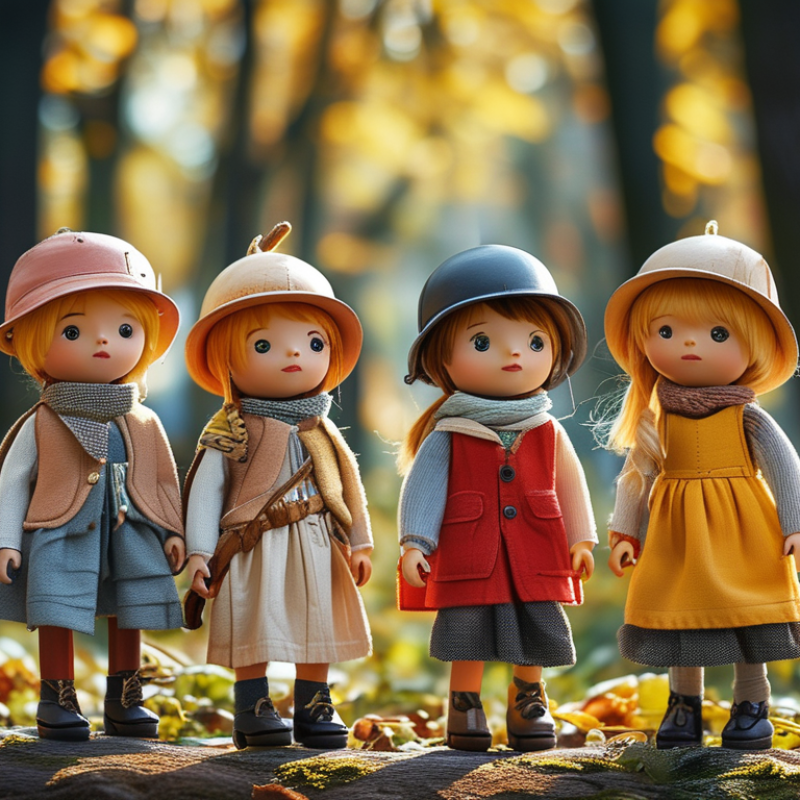
Pretend play is a vital aspect of child development. It allows children to explore different roles and scenarios. This imaginative play fosters creativity and promotes social skills. In a play scenario, children often engage in dialogue and negotiation. They learn to express their thoughts and feelings. This communication is key to understanding others.
Interacting with peers during pretend play builds essential social competencies. Children practice taking turns and sharing ideas. They also learn to empathize, as they step into various roles. However, not every child engages equally. Some may feel shy or uncertain. It’s essential for caregivers to encourage participation without pressure. Gentle guidance can help spark their interest and curiosity.
The benefits of pretend play extend beyond social skills. Children develop problem-solving abilities during these interactions. They encounter challenges and brainstorm solutions. Yet, some children might need support to navigate conflicts. Sometimes, tensions arise during play, revealing a need for conflict resolution skills. This area can offer valuable learning experiences. Observing how children manage these dynamics can inform future play opportunities.
Types of Pretend Play Toys and Their Features
Pretend play toys are essential for developing social skills in children. Various types of these toys include role-play kits, plush figures, and building sets. Each type encourages different forms of interaction. Role-play kits help children imitate adult scenarios, promoting empathy and communication skills. Plush figures often act as companions, aiding in emotional expression. Building sets challenge children to work together, developing problem-solving and teamwork abilities.
Research from the American Academy of Pediatrics highlights that pretend play significantly boosts cognitive and social development. Children learn to negotiate and collaborate during playtime. A survey indicated that 75% of educators believe that collaborative play enhances social skills. This plays a crucial role in fostering strong relationships among peers.
Tips: Encourage your child to engage in varied pretend play scenarios. This will enhance their adaptability and negotiation skills. Introduce toys that require teamwork. Watch them as they plan and execute ideas together. Reflect on how these moments improve their social interactions in other settings. After engaging in play, discuss their feelings and experiences. This reinforces emotional insights.
How Do Pretend Play Toys Enhance Social Skills in Children?
| Type of Pretend Play Toy |
Features |
Social Skills Enhanced |
Age Range |
| Dollhouses |
Includes furniture, figures; encourages role play |
Collaboration, Empathy |
3-8 years |
| Action Figures |
Variety of characters; promotes storytelling |
Communication, Teamwork |
4-10 years |
| Play Kitchens |
Realistic appliances; supports imaginative play |
Cooperation, Sharing |
2-6 years |
| Costumes |
Variety of characters; sparks imagination |
Confidence, Role Understanding |
3-8 years |
| Musical Instruments |
Various types for group play; encourages rhythm |
Collaboration, Listening Skills |
2-8 years |
How Pretend Play Encourages Social Interaction Among Children
Pretend play toys offer a unique avenue for children to build social skills. These toys spark imagination and creativity. When children engage in pretend play, they simulate real-life situations. This can include role-playing as a doctor, teacher, or shopkeeper. Such scenarios provide opportunities for children to learn to negotiate, share, and work together towards a common goal.
In groups, children often need to communicate ideas. They might argue over who plays which role or how the game unfolds. These small conflicts teach them to express their emotions and understand others' perspectives. Sometimes, children struggle with these interactions. They may find it hard to compromise or may react with frustration. These moments are essential. They present chances for younger players to practice patience and empathy.
Social skills develop slowly through play. Some children may dominate the playtime, while others remain passive. This can lead to feelings of exclusion. However, with guidance, children can learn to balance their participation. Observing and reflecting on these dynamics enriches their social experiences. In the end, the simplicity of pretend play carries profound implications for children's social growth.
The Impact of Pretend Play on Emotional Intelligence Development
Pretend play is more than just fun for children. It actively shapes their emotional intelligence. When kids engage in imaginative play, they practice empathy by stepping into different roles. This allows them to understand others’ feelings better. According to a study published in the "Journal of Developmental Psychology," children who participate in pretend play demonstrate higher emotional understanding compared to those who don’t.
Moreover, role-playing scenarios can lead to improved communication skills. Children learn to express their thoughts and negotiate roles within their play groups. A report from the American Academy of Pediatrics emphasizes that such interactions enhance social competence. However, not every child finds it easy to navigate these complex social dynamics. Some may feel left out, while others struggle with communication. These challenges can hinder emotional growth, highlighting the importance of supportive play environments.
Engaging in pretend play requires nurturing from caregivers. Observing children's interactions can provide insights into their emotional development. Parents and educators should facilitate opportunities for unstructured play. A report from the Center on the Developing Child suggests that guided interactions can enhance the benefits of pretend play. Children need space to explore emotions and learn from their experiences, even when those experiences might be confusing or difficult.
Research Findings on Pretend Play and Social Skill Enhancement
Pretend play, often seen in childhood, significantly enhances children's social skills. Research indicates that children engaged in pretend play develop better empathy and communication abilities. A study published in the Journal of Child Development revealed that 70% of children who frequently participated in pretend play exhibited advanced social cognition. This form of play encourages children to take on roles and cooperate with peers.
Through role-playing, kids learn to navigate social interactions. They practice negotiation and conflict resolution. According to findings from the American Psychological Association, children who engage in cooperative play are 50% more likely to resolve disputes amicably. This is crucial for forming friendships and understanding diverse perspectives. However, not all children benefit equally. Some may struggle with role flexibility and need guidance to fully engage.
In addition, pretend play helps in developing emotional regulation. Kids learn to express their feelings and recognize others' emotions, which is vital for social harmony. Yet, children occasionally exhibit frustration when roles are not evenly shared. These challenges highlight the need for adult intervention to facilitate smooth interactions. By creating inclusive and supportive environments, caregivers can enhance the positive outcomes of pretend play.
Impact of Pretend Play Toys on Social Skills Development in Children
FAQS
: Pretend play is when children explore different roles and scenarios through imaginative activities.
It helps children interact, negotiate, and express their thoughts, enhancing their social competencies.
No, some children may feel shy or uncertain. Encouragement can help spark their interest.
Role-play kits, plush figures, and building sets are great for enhancing social and cognitive skills.
It promotes empathy and communication skills, as children imitate adult scenarios during play.
Caregivers can notice how children manage conflicts and negotiate, which informs future play opportunities.
Yes, they encounter challenges and brainstorm solutions, developing important problem-solving abilities.
Introduce varied scenarios and toys that require teamwork to boost adaptability and social skills.
Reflecting on experiences reinforces emotional insights and helps children understand their emotions better.
Yes, conflicts may occur, revealing areas where children can learn valuable conflict resolution skills.
Conclusion
Pretend play is a vital aspect of child development, significantly enhancing social skills through interactive and imaginative scenarios. Various types of pretend play toys, such as dolls, action figures, and playsets, come with features that stimulate creativity and role-playing. These toys encourage children to engage with one another, facilitating social interaction that helps them learn important social cues and cooperation.
Moreover, pretend play has a profound impact on emotional intelligence development, allowing children to express feelings and understand the emotions of others. Research findings indicate that how do pretend play toys improve social skills lies in their ability to create a safe space for children to experiment with social roles and relationships. Through cooperative play, children develop empathy, negotiation skills, and the ability to resolve conflicts, laying a strong foundation for future social interactions.

 Angeles Toys
