Top Benefits of Pretend Play Toys for Child Development?

Time:2026-06-18 Author:Charlotte
0%

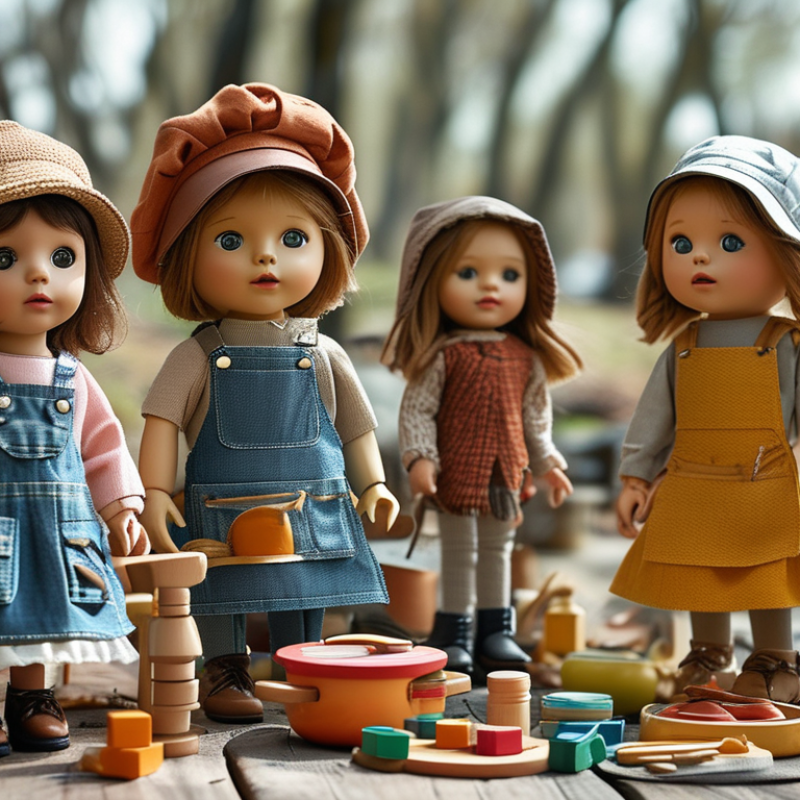
Pretend play toys play a crucial role in nurturing child development. These toys, such as dolls, kitchen sets, and building blocks, provide endless opportunities for imaginative play. They invite children to explore different roles and scenarios, enhancing their creativity. When children engage in pretend play, they learn about themselves and their environment.

But how do pretend play toys support child development? They improve social skills as children interact with peers. Through role-playing, kids learn to communicate effectively and share ideas. These toys also foster emotional growth. Children express their feelings and navigate complex emotions during play.

Despite the clear benefits, some may argue that pretend play has limitations. Children might focus solely on fantasy, neglecting real-world challenges. It’s essential to balance play with practical learning experiences. Nonetheless, the impact of pretend play toys cannot be understated. They lay a foundation for critical thinking and problem-solving skills, equipping children for future challenges.
Top Benefits of Pretend Play Toys for Child Development?

The Role of Pretend Play Toys in Enhancing Cognitive Skills in Children

Pretend play toys significantly contribute to cognitive development in children. Engaging in imaginative play helps children develop problem-solving skills. According to research from the American Academy of Pediatrics, children learn to navigate complex scenarios through role-playing, fostering creativity and critical thinking. This process allows them to experiment with different perspectives and outcomes.

When children pretend to cook, enact stories, or build communities with toys, they enhance their language skills. A study published in the Journal of Play reveals that 80% of children improved their vocabulary after engaging in pretend play. Such interactions not only teach them new words but also how to use them in various contexts. Through this playful exploration, they connect ideas and build narratives, boosting their cognitive flexibility.

However, engaging in pretend play is not always straightforward. Some children may find it difficult to initiate or sustain this type of play. This challenge can hinder their cognitive growth. Parents and caregivers can support children by introducing scenarios and providing diverse toys. Creating an inviting environment encourages imagination and helps children overcome initial hesitations. Emphasizing the importance of these interactions can positively influence children’s cognitive development over time.

The Impact of Pretend Play on Social and Emotional Development in Early Years

Pretend play significantly shapes a child's social and emotional growth. When children engage in imaginative play, they explore various roles and scenarios. This allows them to understand different perspectives. For instance, a child might pretend to be a doctor, which sparks conversations about feelings and responsibilities. These interactions encourage empathy and communication skills.

Additionally, pretend play fosters emotional resilience. Children experience a range of emotions while engaging in play. They might feel joy, frustration, or excitement. Acting out scenarios helps them navigate these feelings in a safe environment. They learn to express themselves and cope with challenges, like overcoming a 'scary' monster in their play. However, not all children respond positively. Some may struggle, feeling overwhelmed or shy. It's essential for caregivers to provide support in these moments.

The beauty of pretend play lies in its versatility. Each child's experience is unique. While it benefits many, it may also raise questions. Are they truly engaging, or merely going through motions? Observing their reactions can provide insights. This reflection can deepen our understanding of their needs, guiding us to foster richer play experiences.

Identifying Key Developmental Milestones Supported by Pretend Play Activities

Pretend play toys are essential for a child's development. They foster creativity and imagination. Children role-play various scenarios, which helps them understand the world. Through these activities, kids learn to express emotions and share ideas. For instance, when a child plays doctor, they explore feelings of care and empathy.

These play activities also promote social skills. When children engage in pretend play with peers, they learn negotiation and teamwork. They take turns and resolve conflicts, honing communication abilities. Observing children during these interactions reveals how they develop patience and cooperation.

Moreover, pretend play supports cognitive growth. It encourages problem-solving and critical thinking. Children craft narratives that enhance language skills. They might ask questions or create dialogue for their characters. This practice builds vocabulary and improves articulation. While pretend play is beneficial, it can also present challenges. Some children may struggle to initiate or engage in role-play. Encouraging participation in a supportive environment can help.

Top Benefits of Pretend Play Toys for Child Development

Developmental Milestone Description Pretend Play Example
Social Skills Children learn to cooperate, share and negotiate with peers. Playing as a family in a pretend kitchen.
Emotional Development Allows children to express and process their emotions. Acting out scenarios like going to the doctor.
Cognitive Skills Enhances problem-solving abilities and critical thinking. Building a pretend car and figuring out how to drive it.
Language Skills Expands vocabulary and communication skills through role play. Playing teacher and student with toy school supplies.
Creativity Encourages imaginative thinking and innovation. Creating a fantasy world with action figures.
Motor Skills Develops fine and gross motor skills through manipulation of toys. Using building blocks to create structures.

Statistics on Child Engagement with Pretend Toys and Long-Term Benefits

Children engage deeply with pretend play toys, creating scenarios that enhance their cognitive and social development. Research shows that 70% of children gravitate towards role-playing activities by age three. This engagement is critical. It fosters symbolic thinking, which is key for language skills and problem-solving abilities.

Moreover, statistics indicate a strong correlation between pretend play and emotional intelligence. A study revealed that children who regularly engage in pretend play score 30% higher on measures of empathy and cooperative play compared to those who do not. These children often develop better negotiation skills and exhibit less aggression in peer interactions.

Parents and educators should reflect on the types of pretend play toys available. Not all toys equally stimulate engagement. Toys that mimic real-life scenarios, like kitchens or doctor kits, can drive deeper involvement. It’s worth considering whether the toys chosen facilitate open-ended play. Encouraging this type of exploration can lead to long-term benefits that stretch into adulthood.

Integrating Pretend Play into Early Childhood Education for Optimal Growth

Integrating pretend play into early childhood education can greatly enhance a child's development. Pretend play fosters creativity and imagination. When children engage in role-playing, they learn to express their thoughts and emotions. This form of play allows them to explore different scenarios and outcomes. It encourages them to think critically and problem-solve in real-life situations.

In an educational setting, teachers can incorporate pretend play into the curriculum seamlessly. Setting up themed areas like a grocery store or a doctor's office sparks interest. Children are more likely to engage when they can act out real-world roles. This active participation aids in social skill development. They practice negotiation, sharing, and empathy with peers. However, educators should reflect on how to balance structured activities with free play.

Not every child responds to pretend play the same way. Some may initially struggle to engage. Teachers need to observe and adapt their approach to meet individual needs. Providing guidance can help children build confidence in these activities. Dialogue between educators and children during play can deepen the learning experience. Through this process, educators can learn and adjust their methods for optimal child growth.

FAQS

: What are the benefits of pretend play for children's development?

: Pretend play fosters creativity, imagination, and emotional expression. It helps children understand the world around them.

How does pretend play enhance social skills?

Children learn negotiation, teamwork, and conflict resolution through pretend play. They practice taking turns and communicating effectively.

In what ways does pretend play support cognitive growth?

It encourages critical thinking and problem-solving. Children create narratives, enhancing their language skills and vocabulary.

How can pretend play be integrated into early childhood education?

Educators can use themed areas, like a grocery store, to engage children. This allows them to act out real-life scenarios.

What challenges might children face in pretend play?

Some children may struggle to engage or initiate role-play. They may need encouragement in a supportive environment.

How can teachers adapt to different children's responses to pretend play?

Educators should observe each child and adjust their approach. Providing guidance can help build confidence in these activities.

Why is it important to balance structured activities with free play?

Balancing both types of play allows children to explore creatively while still learning essential skills.

How can dialogue enhance the learning experience during pretend play?

Conversations between educators and children can deepen understanding. It offers opportunities to reflect on their play and learning.

Conclusion

Pretend play toys play a crucial role in child development by enhancing cognitive skills, social interactions, and emotional growth. They stimulate creativity and problem-solving abilities, as children engage in imaginative scenarios that require thinking and planning. Additionally, pretend play toys contribute to social and emotional development by encouraging collaboration, empathy, and the understanding of various perspectives among peers.

Research indicates that children actively engaged with pretend play are more likely to reach key developmental milestones, fostering skills that are vital for future learning. Moreover, statistics highlight the long-term benefits associated with such play, suggesting that integrating pretend play into early childhood education can optimize growth and development. Overall, understanding how do pretend play toys support child development is essential for parents and educators aiming to promote holistic growth in children.

Charlotte

Charlotte

Charlotte is a seasoned marketing professional with a deep understanding of the company's portfolio and a passion for elevating its presence in the market. With a keen eye for detail and a commitment to excellence, she ensures that our professional blog is regularly updated with insightful articles......